
Facets
Browse across eight MeSH (opens in new tab) facets — era, geography, science, specialty, technology, history, culture, and reference. Select one tag per group; counts update across the others.
Clear filtersFacet filters
Geography
Specialties & Disease
- Anatomy & Pathology 290
- Cardiology & Blood 3
- Neurology & Psychiatry 19
- Obstetrics & Reproductive 3
- Infectious Disease (General) 0
- Surgery & Anesthesia 14
- Public Health 6
- Immunology & Dermatology 11
- General Clinical Medicine 4
- Military Medicine 0
- Psychology 1
- Alternative & Fringe Medicine 0
- Pediatrics 2
- Ophthalmology & Vision 4
- ENT & Hearing 5
- Urology & Nephrology 12
- Gastroenterology & Hepatology 20
- Pulmonary & Respiratory 1
- Rheumatology, Rehab & Pain 0
- Internal, Emergency & Geriatric 0
- Veterinary Medicine 1
- Epidemiology & Demography 0
- Physiology & Embryology 29
- Dentistry 4
- Plagues & Epidemics 0
- Microbiology & Virology 3
Social & Historical Studies
Institutions & Culture
Reference & Scholarly Works
Drugs & Technology
20 entries match Modern [K01.400.504] · Gastroenterology & Hepatology [C06 / C04]
1906 CE
#14351
A study of the structural unit of the liver.
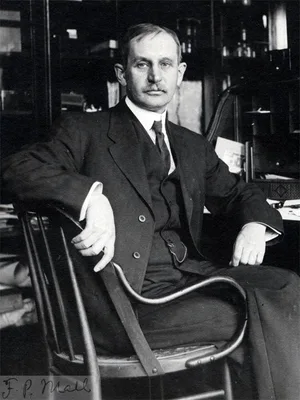
Mall defined the liver's structural unit as a tissue block centered on a portal vein, rather than the classic hepatic lobule centered on a central vein. He proposed that the structural unit of the liver is defined by …
1654 CE
#972
Anatomia hepatis.
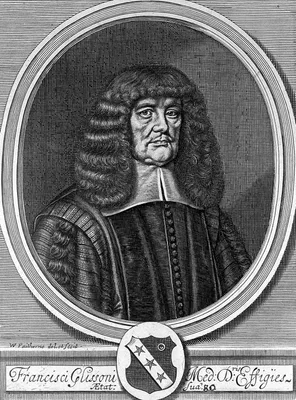
First accurate description of the capsule of the liver (Glisson’s capsule) and its blood-supply. He also described the sphincter of the bile duct (“Glisson’s sphincter”, the sphincter of Oddi).…
1806 CE
#3582
Anatomisch-chirurgische Abhandlung über den Ursprung der Leistenbrüche
Includes description of “Hesselbach’s hernia” and “triangle”. He wrote a further volume on the subject in 1814.
1869 CE
#1009
Beiträge zur mikroskopischen Anatomie der Bauchspeicheldrüse. Inaugural-Dissertation.
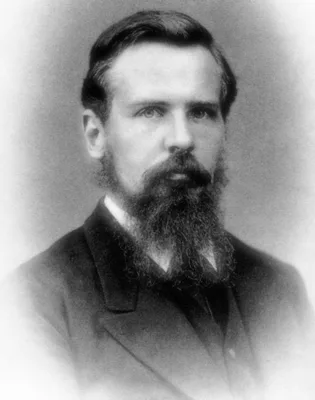
First account of the islets of Langerhans. In 1893 Édouard Laguesse attached the name of Langerhans to the structures. Langerhans did not suggest any function for them. The book was reprinted with an English tr…
1847 CE
#994
Beobachtung einer tödlichen Peritonitis, als Folge einer Perforation des Wurmfortsatzes.
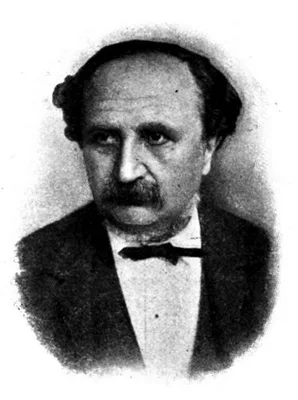
Description of “Gerlach’s valve”, sometimes seen at the orifice of the appendix.
1679 CE
#974.1
Cicutae aquaticae historia et noxae.
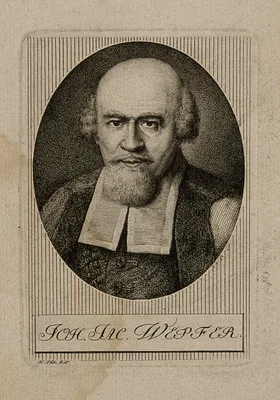
This is primarily a work on the poisonous water hemlock, its dangerous effects, its medicinal uses, and antidotes to counter the poison. However, it also contains the first description of the tiny glands in the mucosa…
1887 CE
#1018
D’une disposition à sphincter spéciale de l’ouverture du canal cholédoque.
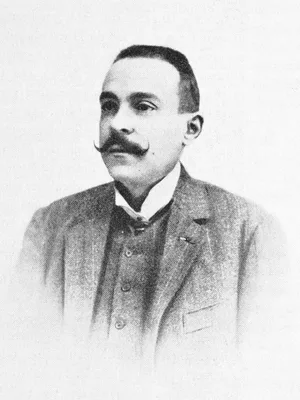
“Sphincter of Oddi” of the bile duct, already known to Glisson in 1654. Reprinted as a pamphlet, Perugia, 1887.
1745 CE
#978
De fabrica et actione villorum intestinorum tenuium hominis.
“Lieberkühn’s glands” or “crypts” described. They were discovered by Malpighi in 1688.
1687 CE
#975
De glandulis in intestino duodeno hominis detectis.
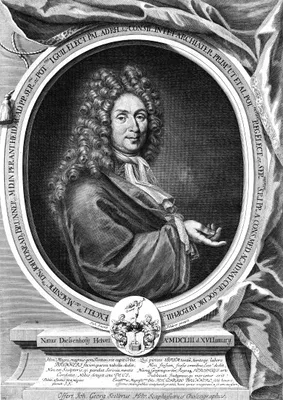
“Brunner’s glands”, earlier described by Wepfer (No. 974.1).
1720 CE
#976
Dissertatio anatomica qua novum bilis diverticulum circa orificium ductus choledochi ut et valvulosam colli vesicae felleae constructionem ad disceptandum proponit.
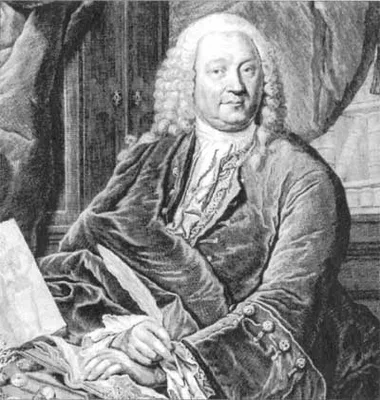
Following Vater’s classic description of the ampulla of the bile duct, it was named the “ampulla of Vater”.
1684 CE
#974.2
Du ductu salivati hactenus non descriptio.
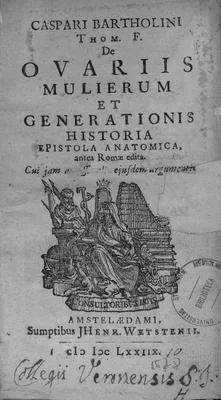
“Bartholin’s duct” and “gland”, the sublingual salivary gland and ducts.
1651 CE
#1095
Experimenta nova anatomica, quibus incognitum chyli receptaculum, et ab eo per thoracem in ramos usque subclavis vasa lactea deteguntur.
Pecquet discovered the thoracic duct in dogs and its relation to the lacteals. Using a dog that was digesting, he described the thoracic duct, its entry into the subclavian veins, and the receptaculum chyli or chyle r…
1662 CE
#1543
Observationes anatomicae, quibus varia oris, oculorum & narium vas describuntur novique salivae, lacrymarum & muci fontes deteguntur.
Includes the first account of the excretory duct of the parotid gland (“Stensen’s duct”), discovered by Stensen. He first reported his discovery in a letter to his teacher, Thomas Bartholin, dated Ap…
1899 CE
#1023
On the topographical anatomy of abdominal viscera in man, especially the gastrointestinal canal.
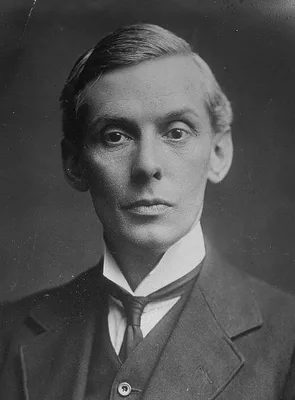
“Addison’s transpyloric plane”. Addison was Britain’s first Minister of Health (1919-21).
1891 CE
#1018.1
Quelques points de l’anatomie et de la chirurgie des voies biliaires.
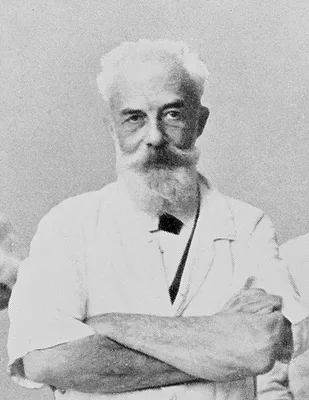
“Hartmann’s pouch”, a dilatation of the neck of the gall-bladder.
1730 CE
#977
Suspenseurs de l’abdomen.
“Poupart’s ligament”, the inguinal ligament.
1809 CE
#984
Ueber die Divertikel am Darmkanal.
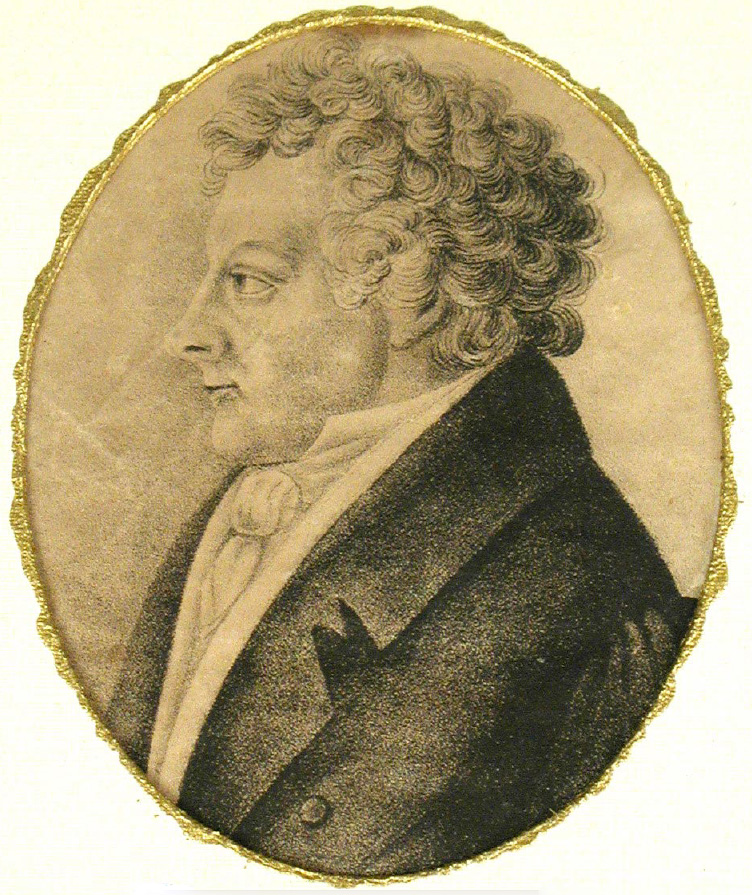
“Meckel’s diverticulum”.
1878 CE
#1012.1
Ueber die Pepsinbildung in den Pylorusdrusen.
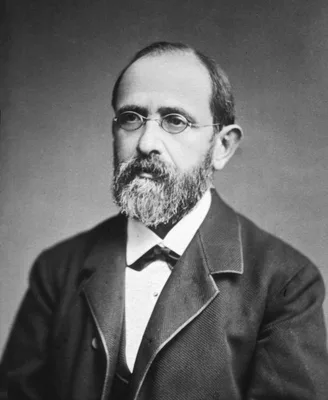
Heidenhain pouch.
1876 CE
#552
Ueber Stemzellen der Leber.
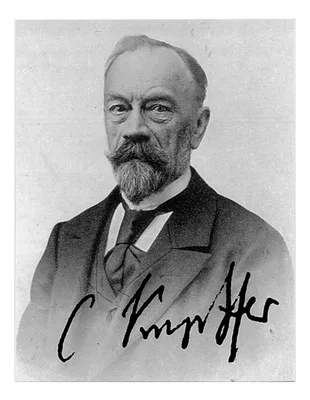
“Kupffer cells” – macrophage stellate cells in the lining of the blood channels in the liver. Confocal microscopy picture showing the steady-state location and interactions between Kupffer cells (Red…
1897 CE
#1021
Zur Frage über den Bau des Darmkanals.
The “cells of Kultschitzky” in the epithelium of the intestine, between the cells which line the gland of Lieberkühn.