
Facets
Browse across eight MeSH (opens in new tab) facets — era, geography, science, specialty, technology, history, culture, and reference. Select one tag per group; counts update across the others.
Clear filtersFacet filters
Geography
Specialties & Disease
- Anatomy & Pathology 77
- Cardiology & Blood 0
- Neurology & Psychiatry 13
- Obstetrics & Reproductive 5
- Infectious Disease (General) 0
- Surgery & Anesthesia 12
- Public Health 4
- Immunology & Dermatology 1
- General Clinical Medicine 48
- Military Medicine 9
- Psychology 0
- Alternative & Fringe Medicine 3
- Pediatrics 1
- Ophthalmology & Vision 5
- ENT & Hearing 6
- Urology & Nephrology 7
- Gastroenterology & Hepatology 1
- Pulmonary & Respiratory 0
- Rheumatology, Rehab & Pain 0
- Internal, Emergency & Geriatric 1
- Veterinary Medicine 0
- Epidemiology & Demography 0
- Physiology & Embryology 9
- Dentistry 5
- Plagues & Epidemics 7
- Microbiology & Virology 1
Social & Historical Studies
Institutions & Culture
Reference & Scholarly Works
Drugs & Technology
9 entries match Early Modern [K01.400.475] · Physiology & Embryology [G07 / G02.149]
1551 CE
#12945
Curationum medicinalium centuria prima, multiplici variaque rerum cognitione referta. Praexfixa est eiusdem auctoris commentatio, in qua docetur, quomodo se medicus habere debeat in introitu ad aegrotantem, simulque de crisi, & diebus decretoriis, in qui artem medicam exercent, & quotidie pro salute aegrotorum in collegium descendunt longe utilissima.
Lusitano has been credited with early recognition of the circulation of the blood. How much he might have understood the circulation remains in doubt; however, through dissections of the Azygos vein, he was the first …
1587 CE
#7337
De humano foetu liber tertio editus, ac recognitus. Eiusdem anatomicarum observationum liber: ac De tumoribus secundum locos affectos liber nunc primum editi.
First edition of Aranzi's Anatomicarum observationum published with the third edition of De humano foetu. In the Anatomicarum observationum Aranzi pointed out that the eye muscles arise from the margin of the optic ca…
1559 CE
#378.1
De re anatomica libri xv.
Colombo was a pupil of Vesalius, and succeeded him in the chair of anatomy at Padua before proceeding to chairs first at Pisa and later at Rome. His book, published just after his death, rectified a number of anatomic…
1572 CE–1573 CE
#1539
Externarum et internarum principalium humani corporis partium tabulae.
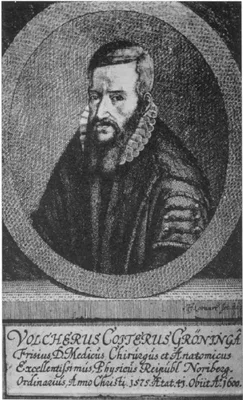
Coiter made several important contributions to the study of human anatomy, and was the first to elevate comparative anatomy to the rank of an independent branch of biology. His Externarum et internarum principalium hu…
1575 CE
#284
Lectiones Gabrielis Falloppi de partibus similaribus humani corporis, ex diversis exemplari eus a Volchero Coiter summa cum diligentia collecta. His accessere diversorum animalium sceletorum explicationes iconibus artificiosis, et genuinis illustratae.
Coiter, a pupil of Fallopius and Eustachius, became town physician of Nuremberg. His book on comparative osteology, contained in his edition of the lectures of Fallopius, extended his studies begun in his work of 1572…
1952 CE
#366
Leonardo da Vinci on the human body. The anatomical, physiological, and embryological drawings of Leonardo da Vinci. With translations, emendations, and biographical introduction by Charles D. O'Malley and J. B. de C. M. Saunders.
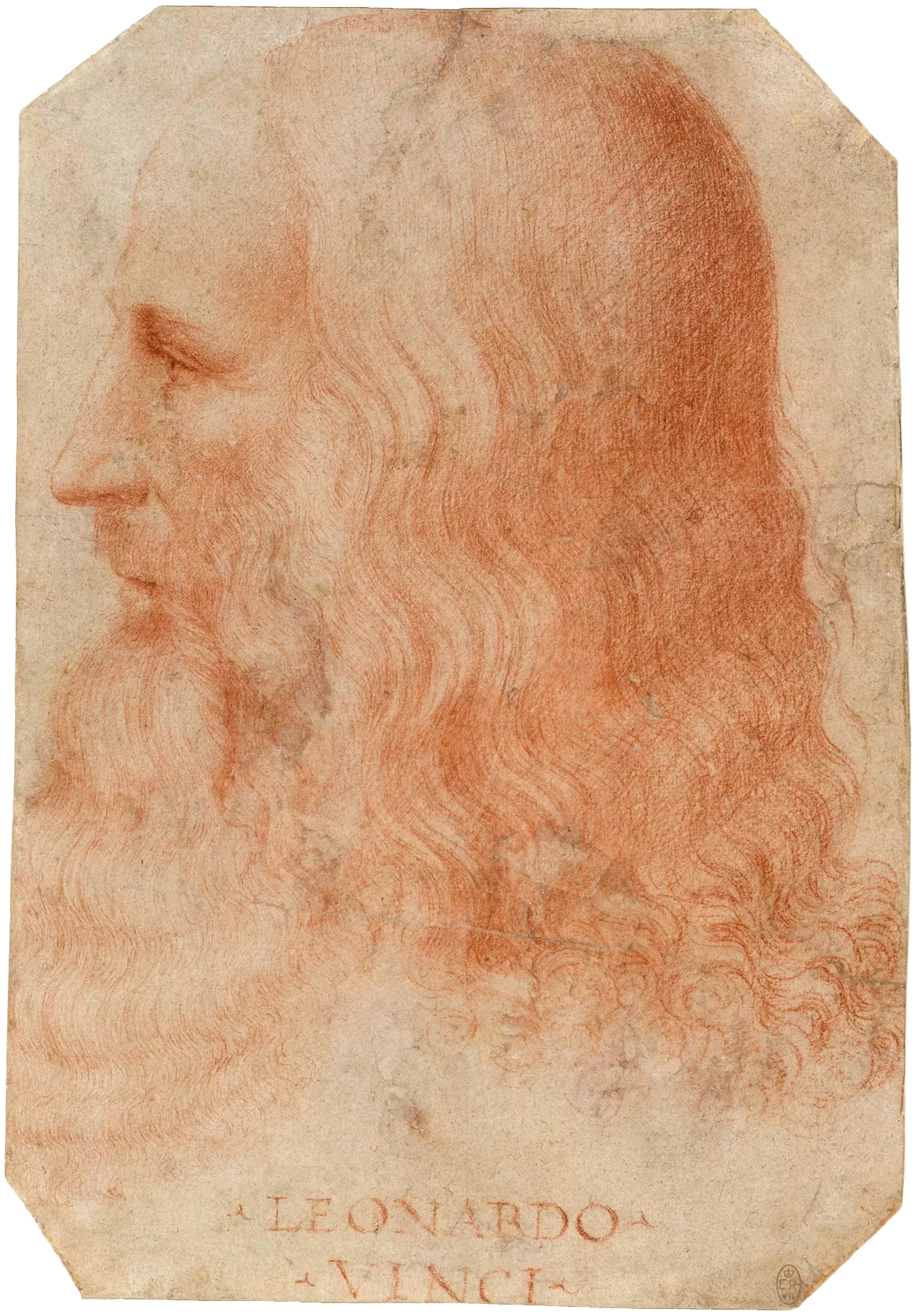
Includes 215 plates.
1477 CE
#10725
Liber phsionomiae [and other works].
![SCOT, Michael [Michael Scotus] (1175 – 1232)](/media/portraits/12461)
"Composed between 1209 and 1226, the first of the two primary texts discusses human generation — anatomy, physiology, astrology, sexual behavior, conception and the health of the fetus. The second part, the Phys…
1563 CE–1564 CE
#1093
Opuscula anatomica.
Eustachius is credited with several anatomical discoveries, among them the tensor tympani muscle and the Eustachian tube, published in his chapter entitled De auditus organis. In the last respect, however, he was anti…
1842 CE
#11109
Theophili Protospatharii De corporis humani fabrica libri v. Edidit Gulielmus Alexander Greenhill.
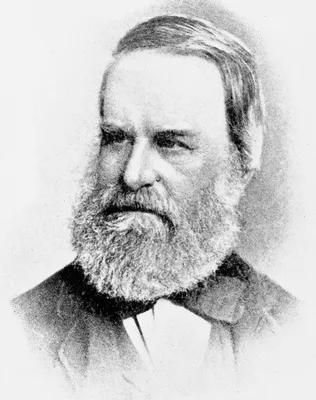
Extensively annotated Greek & Latin edition of this Byzantine treatise on anatomy and physiology, edited by William Alexander Greenhill. Digital facsimile from the Internet Archive at this link.