
Facets
Browse across eight MeSH (opens in new tab) facets — era, geography, science, specialty, technology, history, culture, and reference. Select one tag per group; counts update across the others.
Clear filtersFacet filters
Geography
Specialties & Disease
- Anatomy & Pathology 77
- Cardiology & Blood 0
- Neurology & Psychiatry 13
- Obstetrics & Reproductive 5
- Infectious Disease (General) 0
- Surgery & Anesthesia 12
- Public Health 4
- Immunology & Dermatology 1
- General Clinical Medicine 48
- Military Medicine 9
- Psychology 0
- Alternative & Fringe Medicine 3
- Pediatrics 1
- Ophthalmology & Vision 5
- ENT & Hearing 6
- Urology & Nephrology 7
- Gastroenterology & Hepatology 1
- Pulmonary & Respiratory 0
- Rheumatology, Rehab & Pain 0
- Internal, Emergency & Geriatric 1
- Veterinary Medicine 0
- Epidemiology & Demography 0
- Physiology & Embryology 9
- Dentistry 5
- Plagues & Epidemics 7
- Microbiology & Virology 1
Social & Historical Studies
Institutions & Culture
Reference & Scholarly Works
Drugs & Technology
13 entries match Early Modern [K01.400.475] · Neurology & Psychiatry [C10 / F04]
2000 CE
#8229
A history of madness in sixteenth-century Germany.
1536 CE
#370
Anatomia capitis humani.
The first work on the anatomy of the head. Elegantly illustrated with 11 woodcuts. English translation in No. 461.3.
1537 CE
#371
Anatomiae, hoc est, corporis humani dissectionis pars prior.
Dryander was among the first to make illustrations after his own dissections. His unfinished guide to dissection entitled Anatomiae, expanded from the Anatomia published the previous year, is one of the most important…
1585 CE
#7595
Anatomicae praelectiones.
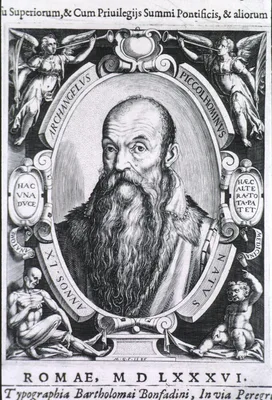
First description of a clear distinction between what is now known as gray and white matter in the central nervous system. The work also includes the first attempt to illustrate the brain in a sagittal view. The nine …
1501 CE
#363.3
Antropologium de ho[min]is dignitate, natura, et p[ro]prietatibus.
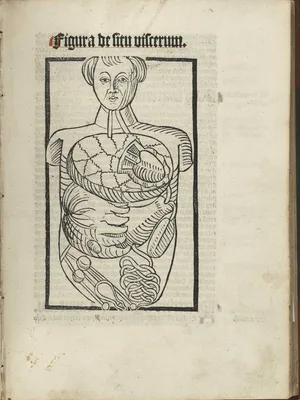
Includes the first illustrations of the viscera in a printed book. The four woodcuts are derived with modifications from Peyligk (No. 363.2). This work also contains the first mention ever of the word anthropology (in…
1980 CE
#366.1
Corpus of the anatomical studies in the collection…at Windsor Castle. Edited by K.D. Keele and C. Pedretti. 3 vols.
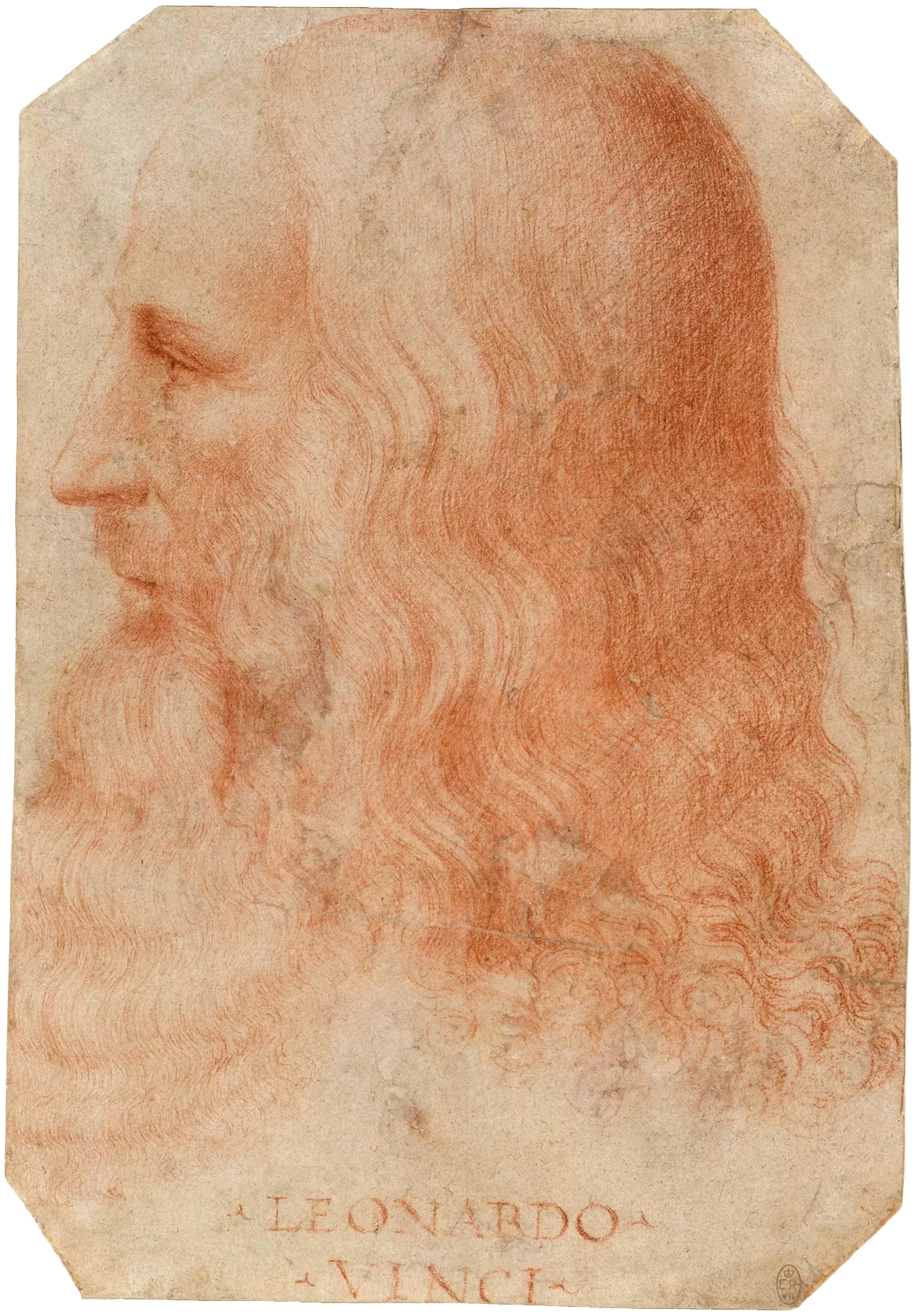
Splendid edition reproducing all of the drawings in color, and with the original chronology and integrity of the drawings restored. Text provides transliteration of Leonardo’s notes in the original Italian plus …
1587 CE
#7337
De humano foetu liber tertio editus, ac recognitus. Eiusdem anatomicarum observationum liber: ac De tumoribus secundum locos affectos liber nunc primum editi.
First edition of Aranzi's Anatomicarum observationum published with the third edition of De humano foetu. In the Anatomicarum observationum Aranzi pointed out that the eye muscles arise from the margin of the optic ca…
1563 CE
#4916
De praestigiis daemonum.
Weyer was the first European physician to take an empirical, scientific approach to the study of mental illness. At the height of the witchcraft delusion he argued that witches were mentally ill women who deserved hum…
1541 CE
#373.1
Des aller fürtrefflichsten…erschaffen. Das is des menchen…warhafftige beschreibung oder Anatomi…
This plagiarism of Vesalius’s Tabulae anatomicae sex contains 25 woodcuts by Hans Baldung Grien (1484/1485-1545), and represents the artist’s only contribution to medical illustration. The woodcuts include…
1522 CE
#368
Isagoge breves perlucide ac uberime in anatomiam humani corporis a communi medicorum academia usitatam.
One year after publishing his Commentary on Mondino, Giacomo Berengario da Carpi issued an abbreviated version or Isagoge, with most of the same woodcuts. This was the book by which Berengario's contributions to anato…
1930 CE
#5010
Les malades de l’esprit et leurs médecins du XVIe siècle. Les étapes des connaissances psychiatriques de la Renaissance à Pinel.
1536 CE
#1536
Liber introductorius anatomiae sive dissectionis corporis humani; in quo quam plurima membra, operationes, & utilitates tam ab antiquis, quam a modernis praetermissa manifestantur.
A practical manual for dissection, showing how to carry out an anatomy from the first incision onwards. Massa based his work on his experience gained from numerous dissections that he had undertaken in the hospital of…
1499 CE
#363.2
Philosophie naturalis compendium.
The last section of this commentary on Aristotle is an illustrated summary of anatomy, the text of which was derived, with some modifications, from medieval manuscripts. The series of eleven woodcuts has been called &…