
Anatomies de Mondino dei Luzzi et de Guido de Vigevano. Par Ernest Wickersheimer.
Publication Details
Paris: E. Droz, 1926 CE.
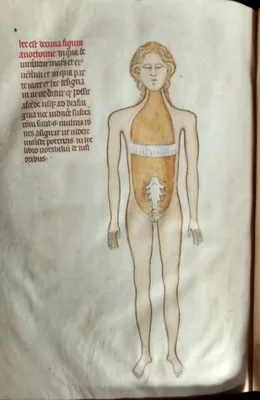
Facsimile of the 1478 edition of Mondino's Anothomia along with the text and 18 plates from Guido de Vigevano's (fl. 14th century) Anathomia. Vigevano's manuscript, completed in 1345, is MS. 569 in the Musée Condé at the Chateau de Chantilly. In his Anathomia Vigevano discusses the usefulness of using drawings for the demonstration of anatomy as well as the church's attitude toward dissection of the human body. According to Wickersheimer, the Papal Bull of Boniface VIII in 1300 was not aimed at curtailing dissection, but was intended to halt the practice of boiling and dismembering the bodies of crusaders who had died away from home for easier transportation back to Europe. Vigevano's plates are among the earliest anatomical drawings of the time and are intended to show the techniques of dissection and a limited number of diagnostic techniques.
Browse Tags
Thematic Classifications
| Catalog Metadata | Reference Information |
|---|---|
| Entry Number | #8362 |
| Permanent Link | https://staging.historyofmedicine.com/entry/10538 |
| Author Bio Link | Wikipedia ↗ |
| External URL | anatomies-de-mondino-dei-luzzi-et-de-guido-de-vigevano |
Geographic Context
Publication place: Paris