
Facets
Browse across eight MeSH (opens in new tab) facets — era, geography, science, specialty, technology, history, culture, and reference. Select one tag per group; counts update across the others.
Clear filtersFacet filters
Geography
Specialties & Disease
- Anatomy & Pathology 59
- Cardiology & Blood 48
- Neurology & Psychiatry 49
- Obstetrics & Reproductive 10
- Infectious Disease (General) 2
- Surgery & Anesthesia 14
- Public Health 31
- Immunology & Dermatology 60
- General Clinical Medicine 168
- Military Medicine 8
- Psychology 9
- Alternative & Fringe Medicine 3
- Pediatrics 3
- Ophthalmology & Vision 26
- ENT & Hearing 19
- Urology & Nephrology 13
- Gastroenterology & Hepatology 10
- Pulmonary & Respiratory 5
- Rheumatology, Rehab & Pain 3
- Internal, Emergency & Geriatric 1
- Veterinary Medicine 1
- Epidemiology & Demography 31
- Physiology & Embryology 34
- Dentistry 8
- Plagues & Epidemics 55
- Microbiology & Virology 49
Social & Historical Studies
Institutions & Culture
Reference & Scholarly Works
756 entries match Diagnostics & Imaging [E01]
1920 CE
#4198
X-ray studies of the seminal vesicles and vasa deferentia after urethroscopic injection of the ejaculatory ducts with thorium – a new diagnostic method.
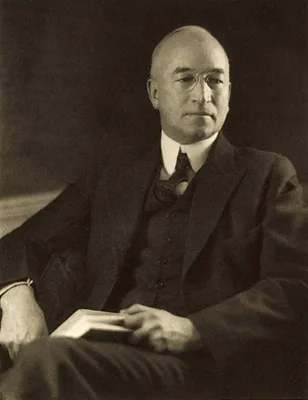
Vesiculography first demonstrated.
1932 CE
#6918
X-ray studies of the structures of hair, wool, and related fibres. I. General.
Astbury, a student of William Lawrence Bragg, was the first to study proteins by X-ray analysis. He applied X-ray analysis to the structure of hair, wool, and related fibers, of which the protein keratin is the princi…
2012 CE
#8665
X-ray vision: The evolution of medical imaging and its human significance.
1896 CE
#3516
Zur Anwendung des Röntgenschen Verfahrens in der Medicin.
Becher introduced a solution of lead into the stomach of a guinea-pig, making it opaque to x rays; he thus showed the possibility of radiological diagnosis of gastric disease.
1903 CE
#4191.3
Zur Technik der Röntgenphotographie (Lendenwirbel, Blasensteine).
Cystography. Wittek filled the bladder with air and was able to demonstrate vertebrae and urinary calculus.
1881 CE
#2495.1
Zur Untersuchungen von pathogenen Organismen.
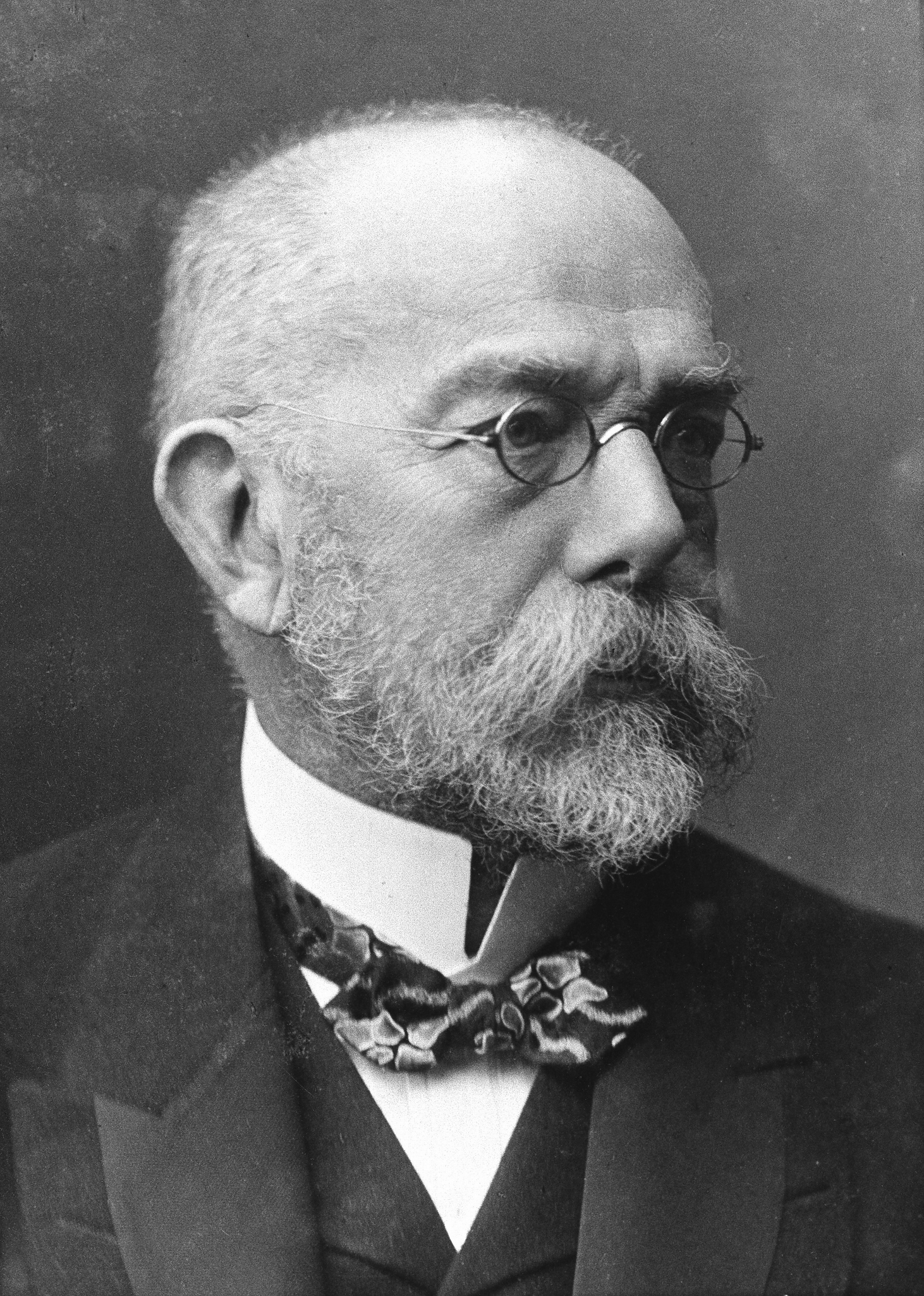
Koch’s description of his methods of growing bacterial cultures in gelatine solutions, making films of bacteria on cover slips and fixing them by gentle heat, and staining slides differentially by aniline. These…