
Facets
Browse across eight MeSH (opens in new tab) facets — era, geography, science, specialty, technology, history, culture, and reference. Select one tag per group; counts update across the others.
Clear filtersFacet filters
Geography
Specialties & Disease
- Anatomy & Pathology 0
- Cardiology & Blood 0
- Neurology & Psychiatry 0
- Obstetrics & Reproductive 0
- Infectious Disease (General) 0
- Surgery & Anesthesia 3
- Public Health 1
- Immunology & Dermatology 0
- General Clinical Medicine 1
- Military Medicine 0
- Psychology 0
- Alternative & Fringe Medicine 8
- Pediatrics 1
- Ophthalmology & Vision 1
- ENT & Hearing 0
- Urology & Nephrology 0
- Gastroenterology & Hepatology 0
- Pulmonary & Respiratory 0
- Rheumatology, Rehab & Pain 0
- Internal, Emergency & Geriatric 0
- Veterinary Medicine 0
- Epidemiology & Demography 0
- Physiology & Embryology 0
- Dentistry 6
- Plagues & Epidemics 2
- Microbiology & Virology 0
Social & Historical Studies
Institutions & Culture
Reference & Scholarly Works
Drugs & Technology
54 entries match Africa & Middle East [Z01.058.500] · Professions & Education [M01 / N02]
2001 CE
#7275
'Millennium Ancestor', a 6-million-year-old bipedal hominid from Kenya - Recent discoveries push back human origins by 1.5 million years.

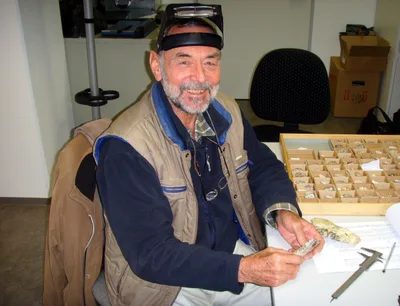
Living around 6 million years ago, in the Tugen hills region of central Kenya, this species, named Orrorin tugenensis, had small teeth with thick enamel similar to modern humans. It climbed trees, but also probably wa…
2018 CE
#12668
‘Ubaidallāh Ibn Buḫtīšū‘ on apparent death: The Kitāb Taḥrīm dafn al-aḥyā’, Arabic edition and English translation by Oliver Kahl.
2002 CE
#7274
A new hominid from the Upper Miocene of Chad, central Africa.

The first paper on Sahelanthropus tchadensis, dating from between 7 and 6 million years ago in West Central Africa (northern Chad). This species had a combination of ape-like and human-like features. Ape-like elements…
1921 CE
#7309
A new cave man from Rhodesia, South Africa.
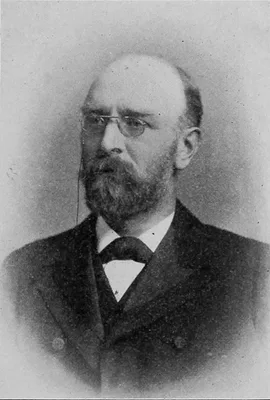
The first fossil human discovered in Africa: Homo rhodesiensis, commonly referred to as the Broken Hill Skull or the Kabwe Cranium.The skull, which most current experts classify as Homo heidelbergensis, was discovered…
1959 CE
#7288
A new fossil from Olduvai.
In 1959 Mary Leakey discovered the "Zinj" skull (OH 5) at Olduvai Gorge. This became the type specimen for Paranthropus boisei, arguably the most famous early human fossil from Olduvai in Northern Tanzania. The specie…
1978 CE
#7277
A new species of the genus Australopithecus (Primates: Hominidae) from the Pliocene of Eastern Africa.

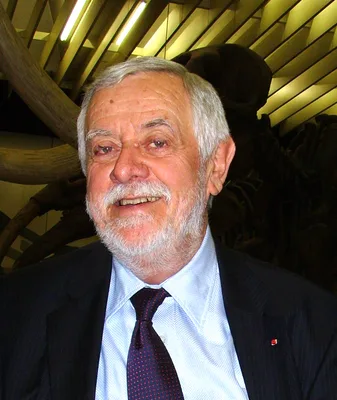
Johanson and colleagues formally named the species Afarensis of the genus Australopithecus in 1978.
1964 CE
#7270
A new species of the genus Homo from Olduvai Gorge.
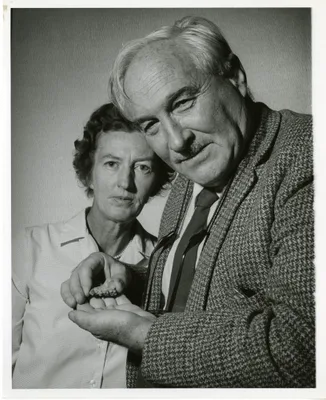
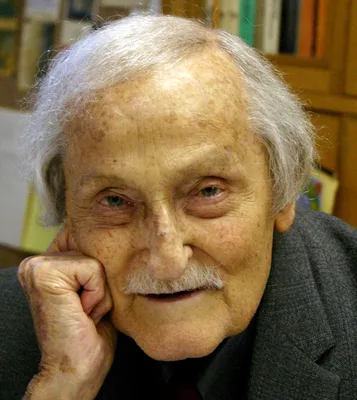
First report on Homo habilis.
2000 CE
#10033
A Plague of paradoxes: Aids, culture, and demography in Northern Tanzania.
1735 CE
#8483
A voyage to Guinea, Brasil and the West Indies; in His Majesty's ships, the Swallow and Weymouth: Describing the several islands and Settlements, viz, Madeira, the Canaries, Cape de Verd, Sierraleon, Sesthos, Cape Apollonia, Cabo Corso, and others on the Guinea coast; Barbadoes, Jamaica, &c. in the West-Indies; the colour, diet, languages, habits, manners, customs, and religions of the respective natives, and inhabitants. With remarks on the gold, ivory, and slave-trade; and on the winds, tides and currents of the several coasts.
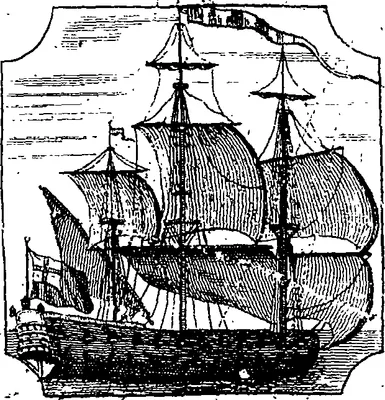
Atkins, surgeon on the voyage, included information about the slave trade and the natural history of the Gold Coast. "Atkins describes the manatee accurately, and tells much about fetish worship. He shows that there w…
1977 CE
#13369
African folk medicine: Practices and beliefs of the Bambara and other peoples.
1961 CE
#214.2
Age of Bed I, Olduvai Gorge, Tanganyika.
Introduction of the potassium-argon dating method to paleoanthropology, showing that lava at the base of the site of Olduvai Gorge was about 1.8 million years old, and proving that fossils, Australopithecus (Zinjanthr…
2016 CE
#10538
Ärztliches Leben und Denken im arabischen Mittelalter. Von Johann Christoph Bürgel. Bearbeitet von Fabian Käs.
"...Investigates conditions of life and professional ethics of the Arab physicians in the Middle Ages. Based on a multitude of biographical, protreptic, deontological, and isagogic texts, Bürgel analyzes diverse …
1925 CE
#211.1
Australopithecus africanus: The man-ape of South Africa.
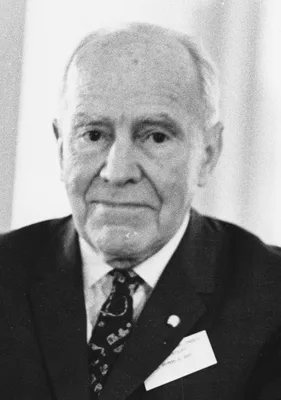
First report on Dart's discovery in 1924 of the first member of the genus Australopithecus, the first hominin found in Africa. In their 150th anniversary issue published on November 4, 2019 the editors of Nature inclu…
1994 CE
#7276
Australopithecus ramidus, a new species of early hominid from Aramis, Ethiopia.
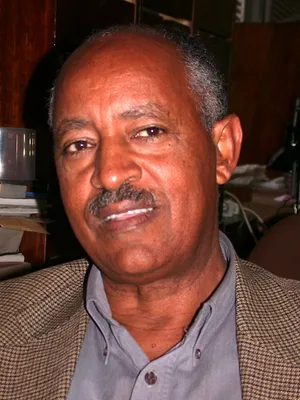
Between 1992 and 1994 White and his team discovered the first Ardipithecus ramidus fossils in the Middle Awash area of Ethiopia. They named their discovery Ardipithecus ramidus (‘ramid’ means ‘root&r…
2010 CE
#7280
Australopithecus sediba: A New Species of Homo-Like Australopith from South Africa.
Matthew Berger, the young son of Lee Berger, discovered the first specimen of Australopithecus sediba, the right clavicle of MH1, on the 15th of August in 2008. This species of Australopithecus dates to about 2 millio…
1977 CE
#7921
Body and mind in Zulu medicine: An ethnography of health and disease in Nyuswa-Zulu thought and practice.
1840 CE
#8828
Catalogue of skulls of man, and the inferior animals, in the collection of Samuel George Morton.
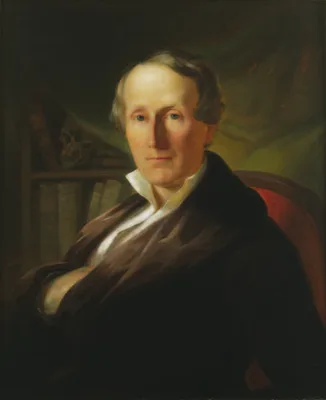
Numbers 901-929 in Morton's catalogue are "Thirty Skulls of genuine unmixed NEGROES born in Africa. This interesting series series was collected by Don José Rodriguez Cisnerso, M. D. of Havana, in the island of…
1465 CE
#6819
Cerrahiyyetu'l-Haniyye (Imperial Surgery)
In 1465, at the age of 80, Ottoman surgeon and physician Şerafeddin Sabuncuoğlu published in manuscript an illustrated atlas of surgery and dentistry. This was also the first medical textbook written in Turkish, proba…
1927 CE
#7842
Certain samaritans.
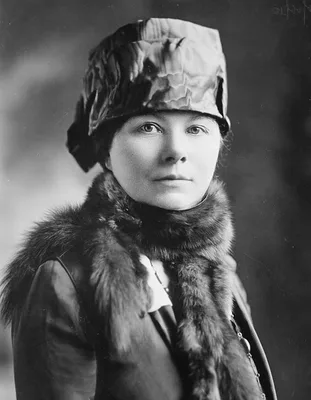
A first-hand account of the American Women's Hospitals especially in Greece, Turkey and the Balkans helping to relieve the poulations uprooted by World War I and its aftermath. Lovejoy became the second woman to gradu…
1500 CE–1501 CE
#3666.82
Chirurgia cum formis instrumentorum (Tr: Gerardus Cremonensis). IN: Guy de Chauliac: Chirurgia parva. Add: Albulcasis: Chirurgia cum formis instrumentorum. Jesus filius Hali: De oculis (Tr: Dominicus Marrochinus). Canamusali de Baldach: De oculis.
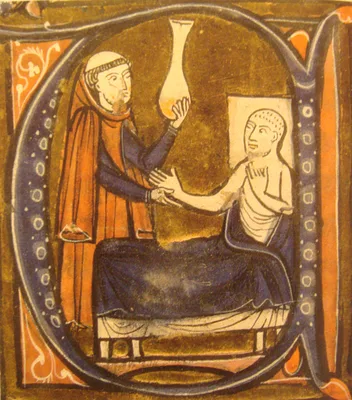
The surgical section of Albucasis’s Altasrif, the first rational, complete and illustrated treatise on surgery and surgical instruments. The author was an Arab Muslim physician and surgeon who lived in Al-Andalu…
1852 CE–1859 CE
#49
Collectio Salernitana: Ossia documenti inediti, e trattati di medicina appartenenti alla scuola medica Salernitana, raccolti ed illustrati da G.E.T Henschel, C. Daremberg, E.S. deRenzi; premessa la storia della scuola e publicati a cura di Salvatore de Renzi. 5 vols.
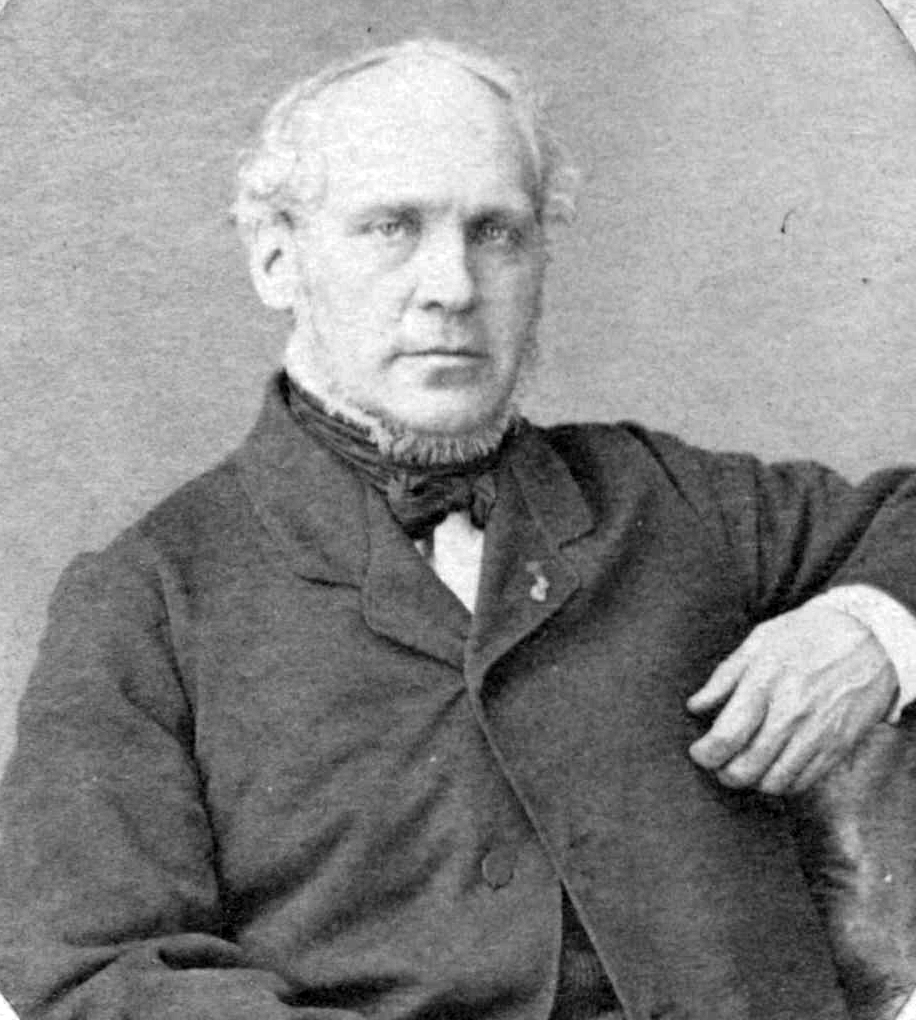
The School of Medicine at Salerno dispelled the stagnation of medicine which had persisted throughout the early Middle Ages. Its masters were the first medieval physicians to cultivate medicine as an independent scien…
1858 CE
#13665
Compte rendu de l'examen des élèves de l'École de Médecine et de l'École d'Accouchement du Caire, pour la première année de sa réorganisation ... 6 avril 1858.
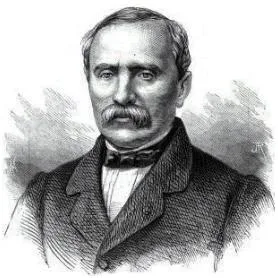
Digital facsimile from Google Books at this link.
1833 CE
#13664
Compte rendu des travaux de l'École de Médecine d'Abou-Zabel (Égypte), et de l'examen général des élèves pour les 1re, 2e, 3e, 4e, et 5e années da sa fondation 1242-1243 (1827-1828)....Suivi de l'exposé de la conduite et des travaux de l'auteur lui-même en Égypte, depuis 1240 à 1248 (Hégyre) 1825 à 1832, et de diverses pièces relatives à son voyage en France.
"During the French occupation of Egypt, Napoleon designated Kasr al-Aini a hospital for his troops in 1799, and then afterwards proposed the opening of a school to teach local Egyptian students the medicine required t…
1849 CE
#13666
Compte-rendu de l'état del'enseignement médical et du service de santé civil et militaire de l'Égypte au commencement de mars 1849.
Digital facsimile from Google Books at this link.
1844 CE
#8832
Crania Aegyptiaca: or, observations on Egyptian ethnography, derived from anatomy, history and the monuments. From the Transactions of the American Philosophical Society, Vol. IX.
Morton argued that blacks and whites had been racially distinct since the Egyptian First Dynasty and drew the following conclusions, long since debunked: "Conclusions. "1. The valley of the Nile, both in Egypt and in …
1778 CE
#5550
De chirurgia. Arabice et Latine cura Johannis Channing. 3 vols.
This parallel Arabic-Latin edition prepared by the apothecary John Channing is the first printed edition in Arabic, and the first modern edition of the text. Digital facsimile of the 1778 edition from Bayerische Staat…
1985 CE
#7284
Early Homo erectus skeleton from west Lake Turkana, Kenya.

The Turkana Boy, (KNM-WT 15000) now called Nariokotome Boy, a Homo erectus fossil which was in 2016 the most complete early human skeleton found. It is a nearly complete skeleton of a hominin youth believed to be 1.5 …
1988 CE
#10674
Hausa medicine: Illness and well-being in a West African culture.
1985 CE
#7273
History of physical anthropology in Southern Africa.
2015 CE
#8790
Indigenous medicine among the Bedouin in the Middle East.
2000 CE
#8504
Indigenous theories of contagious disease.
1933 CE
#13340
L'école médicale de Kairouan aux x et xi siècles.
1887 CE
#182
Les pygmées.
De Quatrefages showed that pygmies are descended from ancient races and are not, as was believed by many, a retrograde or degenerate type of negro of comparatively recent growth. English translation by Frederick Starr…
1855 CE
#6503
Médecine et hygiène des Arabes. Études sur l’exercice de la médecine et de la chirurgie chez les Musulmans de l’Algérie, leurs connaissances en anatomie, histoire naturelle, pharmacie, médecine légale, etc. Leurs conditions climatériques générales, leur pratiques hygiéniques publiques et privées, leurs maladies, leurs traitements les plus usités. Précédées de considérations sur l’état général de la médecine chez les principales nations Mahométanes.
Digital facsimile from the Internet Archive, at this link.
1964 CE
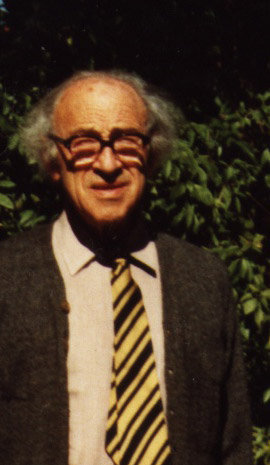
#8652
Medicine and custom in Africa.
1956 CE
#8651
Medicine and magic of the Mashona.
1995 CE
#7278
New four-million-year-old hominid species from Kanapoi and Allia Bay, Kenya.
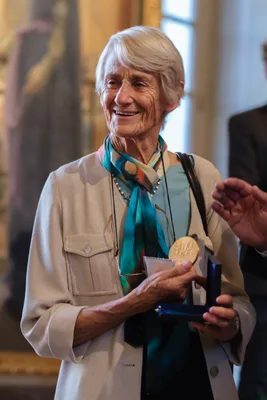
In 1965, a research team led by Bryan Patterson from Harvard University discovered a single arm bone (KNM-KP 271) of an early human at Kanapoi in northern Kenya, but without additional fossils Patterson could not conf…
2001 CE
#7279
New hominin genus from eastern Africa shows diverse middle Pliocene lineages.
In 1998 and 1999, working in the Lake Turkana region of northern Kenya, Meave Leakey and her team found a cranium and other fossil remains of a 3.5 million year old hominin with a mixture of features unseen in other e…
1875 CE
#2
Papyros Ebers: Das hermetische Buch über die Arzeneimittel der alten Ägypter in hieratischer Schrift, herausgegeben mit Inhaltsangabe und Einleitung versehen von Georg Ebers, mit Hieroglyphisch-Lateinischem Glossar von Ludwig [Christian] Stern, mit Unterstützung des Königlich Sächsischen Cultusministerium. 2 vols.
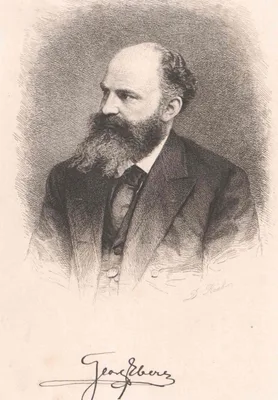
The Ebers Papyrus dates from about 1552 BCE. It measures 20.23 m. in length and 30 cm. in height, and is, along with the Edwin Smith Papyrus, one of the two most important surviving medical papyri. It was written in h…
1865 CE
#14037
Persien. Das Land und seine Bewohner. Ethnographische Schilderungen. 2 vols.
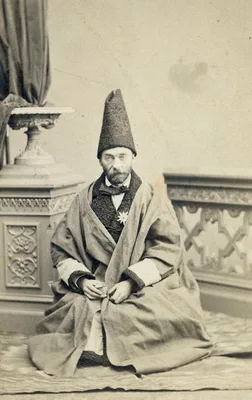
In this wide-ranging ethnographic study Polak provided the most authoritative account of his introduction of western medicine into Iran as well as the state of medicine in Iran generally. "Polak (1865, II, pp. 192-348…
1976 CE
#214.3
Plio-Pleistocene hominid discoveries in Hadar, Ethiopia.
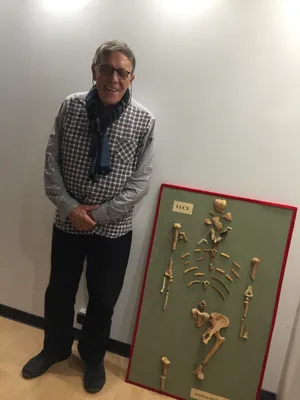
Report on the Afar fossils (formally classified and named Australopithiecus afaranesis in 1998) representing a minimum of 35 and a maximum of 65 individuals, all about 3,000,000 years old. The most famous of these, AL…
1493 CE
#3666.84
Practica. IN: Liber nonus ad Almansorem (cum expositione Joannis Arculani). Ed: Hieronymus Surianus and Elyanorus Sanseverinus.
Arcolani's Practica, published in this edition of Rhazes with Arcolani's commentary, includes the first documentation for the use of gold for filling diseased teeth. There are also several chapters on diseases of the …
1946 CE
#214.1
Pretoria: The South African fossil ape-men. The Australopithecinae. Part I. The occurrence and general structure of the South African ape-men.
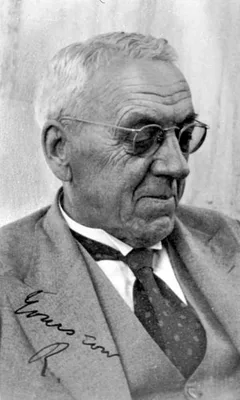
With this comprehensive report Broom presented his case to the scientific establishment that Australopithecus probably represented the stock from which mankind had evolved.
2004 CE
#8351
Questions and answers for physicians: A medieval Arabic study manual by 'Abd al- 'Azīz al-Sulamī. Translated, edited and with an introduction by Gary Leiser and Noury Al-Khaledy.
"....a translation and edition of the medieval Arabic medical work entitled Imtiḥān al-alibbā' li-kāffat al-aṭibbā' ("The Experts' Examination for All Physicians"). It is a study guide for students of medicine prepare…
1890 CE
#8287
Reisebilder aus Liberia: Resultate geographischer, naturwissenschaftlicher und ethnographischer untersuchungen während der jahre 1879-1882 und 1886-1887. 2 vols.
The first comprehensive monograph on the Republic of Liberia, published 50 years after its colonization by freed American slaves and their descendents. Digital facsimile from the Internet Archive at this link. Transla…
1937 CE
#10672
Religion and medicine of the Ga people.

1497 CE
#39.1
Rhazes: Liber ad Almansorem sive Tractatus medicinae I-X. Liber divisionum. De aegritudinibus juncturarum. De aegritudinibus puerorum. De secretis sive aphorismi. Antidotarium. De praeservatione ab aegritudine lapidis; Introductorium medicinae. De sectionibus et ventosis. Synonyma. De animalibus. Add:Tabula de herbis medicis; Maimonides: Aphorismi; Mesue (the elder): Aphorismi; Hippocrates: Secreta; Prognosticatio secundum lunam; Capsula eburnea; De humana natura; De aere et aqua et regionibus; De pharmaciis; De insomniis; Avenzohar: De cura lapidis.
![HIPPOCRATES, [Ἱπποκράτης; Hippocrates of Kos] (-460 – -370)](/media/portraits/50)
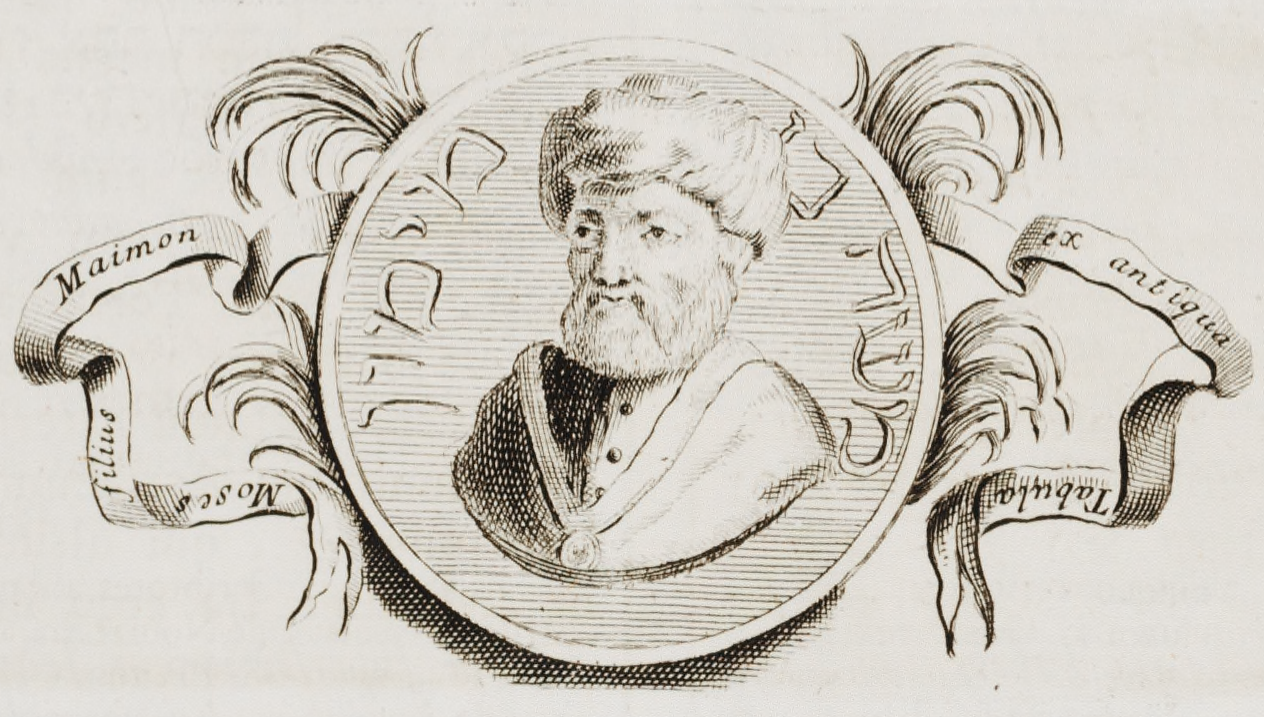
The best edition of the Opuscula of Rhazes, containing the second printing of the celebrated Liber ad Almansorem, not to be confused with Liber nonus ad Almansorem, as well as De aegritudine puerorum (No. 6313), and o…
1968 CE
#7282
Sur la decouverte dans le Pleistocene inferieur de la valle de l'Omo (Ethiopie) d'une mandibule d'Australopithecien.
In 1967 Arambourg and Coppens discovered Omo 18, the first specimen of Paranthropus aethiopicus, also known as Paraustralopithecus aethiopicus; however it's classification as a new species was initially dismissed. In …
1980 CE
#12917
The history of old Turkish dentistry.
1986 CE
#7283
The origin of the human race.
First publication in English by Alekseyev of Homo rudolfensis, primarily known from KNM-ER 1470, discovered in Koobi Fora in the Lake Turkana basin, Kenya. Alekseyev (Alexeev) first proposed the species in 1978, initi…