
Facets
Browse across eight MeSH (opens in new tab) facets — era, geography, science, specialty, technology, history, culture, and reference. Select one tag per group; counts update across the others.
Clear filtersFacet filters
Geography
Specialties & Disease
- Anatomy & Pathology 8
- Cardiology & Blood 2
- Neurology & Psychiatry 12
- Obstetrics & Reproductive 3
- Infectious Disease (General) 5
- Surgery & Anesthesia 13
- Public Health 38
- Immunology & Dermatology 10
- General Clinical Medicine 78
- Military Medicine 25
- Psychology 3
- Alternative & Fringe Medicine 16
- Pediatrics 4
- Ophthalmology & Vision 6
- ENT & Hearing 0
- Urology & Nephrology 0
- Gastroenterology & Hepatology 1
- Pulmonary & Respiratory 2
- Rheumatology, Rehab & Pain 1
- Internal, Emergency & Geriatric 2
- Veterinary Medicine 7
- Epidemiology & Demography 18
- Physiology & Embryology 1
- Dentistry 5
- Plagues & Epidemics 90
- Microbiology & Virology 42
Social & Historical Studies
Institutions & Culture
Reference & Scholarly Works
Drugs & Technology
90 entries match Asia & Pacific [Z01.586] · Plagues & Epidemics [C01.252]
1896 CE
#11380
L'action bactericide des eaux de la Jumna et du Gange sur le vibrion du cholera.
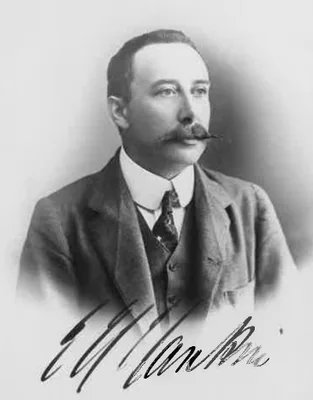
Hankin described the antibacterial activity of a then-unknown source in the Ganges and Jumna Rivers in India. He noted that "It is seen that the unboiled water of the Ganges kills the cholera germ in less than 3 hours…
2020 CE
#12119
A new coronavirus associated with human respiratory disease in China.


Order of authorship in the original publication: Wu, Zhao...Holmes, Zang. This was the first paper written in China, and published in a Western language, on the first COVID-19 patient admitted to any Wuhan hospital on…
1974 CE
#12717
A new infantile acute febrile mucocutaneous lymph node syndrome (MLNS) prevailing in Japan.
The first report on Kawasaki Disease in English. By 1973, 6,000 cases of Kawasaki disease were reported in Japan. (Thanks to Juan Weiss for this reference and its interpretation.)
2019 CE
#10916
A new segmented virus associated with human febrile illness in China.

Order of authorship in the original paper: Wang, Ze-Dong; Wang, Bo; Wei, Feng. Discovery of a new tick-borne virus that the authors name the "Alongshan virus" (ALSV) in the family Flaviridae. Digital facsimile from ne…
1924 CE
#2440.1
A plea for the early recognition of leprosy, with notes on diagnosis and methods.

The scraped-incision slit-skin method for bacterial examination in leprosy.
2020 CE
#12074
A pneumonia outbreak associated with a new coronavirus of probable bat origin.
This article was published in Nature on 3 February 2020. Prior to that a version with a different title and numerous other co-authors was published in bioRxiv on 23 January 2020, as "Discovery of a novel coronavirus a…
1832 CE
#10463
A treatise on the epidemic cholera, as it has prevailed in India; together with the reports of the medical officers, made to the medical boards of the presidencies of Bengal, Madras, and Bombay, for the purpose of ascertaining a successful mode of treating that destructive disease; And a critical examination of all the works that have hitherto appeared on the subject.
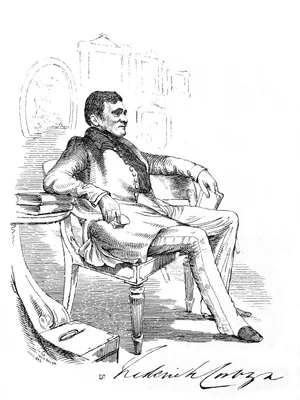
Corbyn mapped the history of cholera in India within British regimental stations. He included the date of each reported outbreak in a table of British regimental locations to describe the temporal progression of the d…
1936 CE
#4659
A virus isolated in 1935 epidemic of summer encephalitis in Japan.
T. Taniguchi, M. Hosokawa, and S. Kuga established a virus etiology for Japanese B encephalitis.
1879 CE
#11248
Additional notes on filaria sanguinis hominis and filiaria disease.
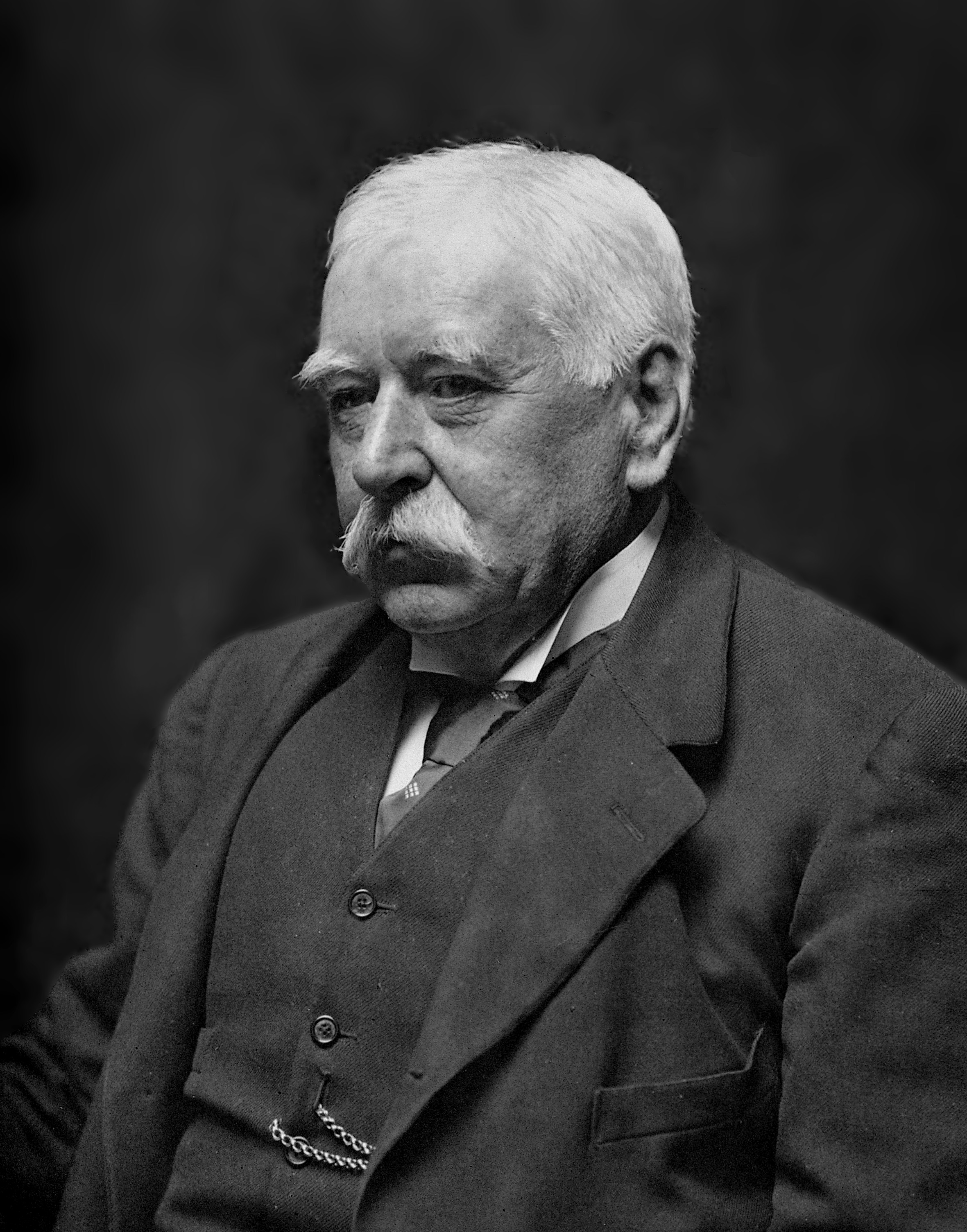
On p. 36 of this paper Manson first described nocturnal periodicity in Filaria Bancrofti, an adaptation to the nocturnal biting habits of their mosquito vector. (Thanks to Juan Weiss for this reference and its interpr…
1807 CE
#8814
An account of the diseases of India, as they appeared in the English fleet, and in the naval hospital at Madras, in 1782 and 1783; with observations on ulcers, and the hospital sores of that country, &c. & c. To which is prefixed a view of the diseases of an expedition and passage of a fleet and armament to India, in 1781.
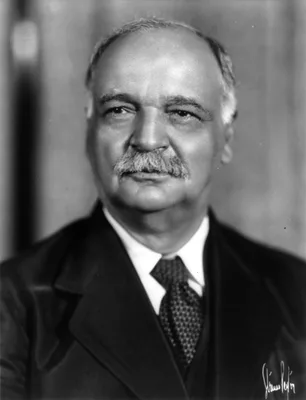
Digital facsimile from Google Books at this link.
1767 CE
#12397
An account of the manner of inoculating for the small pox in the East Indies: With some observations on the practice and mode of treating that disease in those parts.
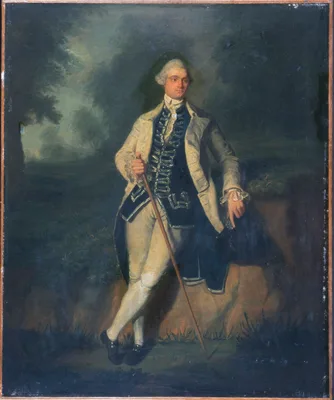
Holwell's account of smallpox variolation in India prior to Jenner has been disputed by historians. Digital facsimile from the Internet Archive at this link.
1954 CE–1960 CE
#5352.3
Annotated bibliography of filariasis and elephantiasis. 5 parts.
South Pacific Commission Technical Papers, Nos. 65, 88, 109 (and Supplement), 124, and 160.
1923 CE
#2426
Beiträge zur Geschichte der Syphilis: insbesondere über ihren Ursprung und ihre Pathologie in Ostasien.
Gives, in an appendix, a list of writers on syphilis from 1495 to 1829. Digital facsimile from wellcomecollection.org at this link.
1982 CE
#5475.2
Bibliography of dengue fever and dengue-like illnesses, 1780-1981.
1996 CE
#11852
Bubonic plague in nineteenth-century China.
The first work in English on the history of disease in China traces an epidemic of bubonic plague that began in Yunnan province in the late eighteenth century, spread throughout much of southern China in the nineteent…
1856 CE
#10112
Clinical researches on disease in India. 2 vols.
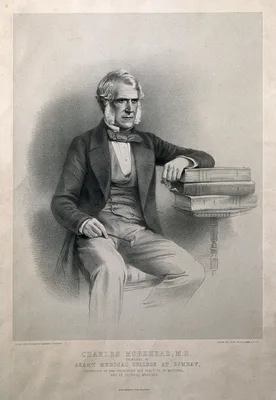
One of the most comprehensive studies of disease in India during the mid-19th century; includes 556 case reports. Digital facsimile from the Internet Archive at this link
2006 CE
#8251
Colonial pathologies: American tropical medicine, race, and hygiene in the Philippines.
1993 CE
#8811
Colonizing the body: State medicine and epidemic disease in nineteenth-century India.
An authoritative account of the way that medicine was practiced in India in adaptation to the situation faced by physicians and the state in India, focusing on three major epidemic diseases: smallpox, cholera plague.
1563 CE
#1815
Colóquios dos simples, e drogas he cousas mediçinais da Índia e assi dalgũas frutas achadas nella onde se tratam algũas cousas tocantes a medicina, pratica, e outras cousas boas pera saber.
![ORTA, Garcia de [Garcia d'Orta] (1501 – 1568)](/media/portraits/2236)
The first account of Indian materia medica and the first textbook on tropical medicine written by a European. It includes a classic account of Asiatic cholera, the first account of this disease by a European. This is …
1860 CE
#2249
Contributions to the natural history of insolatio.
Barclay, an army surgeon in India, wrote an important paper on heat-stroke.
1936 CE
#5480
Cultivation of the viruses of sandfly fever and dengue fever on the chorioallantoic membrane of the chick-embryo.
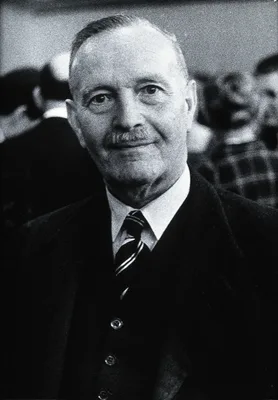
Cultivation of the virus of phlebotomus fever. With R. S. Rao and C. S. Swaminath.
1658 CE
#1825
De Indiae utriusque re naturali et medica libri quatuordecim.
This is an extensively revised and enlarged second edition of Piso’s Historia naturalis Brasiliae (1648). In this edition Piso reprinted Bontius's De medicina Indorum (1642) with two additional books on Asian fl…
1642 CE
#2263
De medicina Indorum.
Bontius was probably the first to regard tropical medicine as an independent branch of medical science. He spent the last four years of his life in the Dutch East Indies, and his book incorporates the experience he ga…
1914 CE
#5350.2
Der Zwischenwirt des Schistosomum japonicum Katsurada.
Miyairi and Suzuki confirmed that snails are the intermediate hosts of S. japonicum, and their paper completed the description of the life cycle from ova to snail intermediate host. Translation in Kean (No. 2268.1), p…
1855 CE
#8809
Elephantiasis orientalis, and especially elephantiasis genitalis in Bengal.
Digital facsimile from Google Books at this link.
2014 CE
#13213
Ethnobotany of tuberculosis in Laos.
2016 CE
#9895
Ethnographic plague: Configuring disease on the Chinese-Russian frontier.
"Challenging the concept that since the discovery of the plague bacillus in 1894 the study of the disease was dominated by bacteriology, Ethnographic Plague argues for the role of ethnography as a vital contributor to…
2006 CE
#13890
Expunging variola: The control and eradication of smallpox in India 1947-1977.
2011 CE
#10918
Fever with thrombocytopenia associated with a novel Bunyavirus in China.
Order of authorship in the original paper: Yu, Liang, Zhang. Discovery of a new virus, suspected by the authors to be tick-borne. The authors named the virus, "severe fever with thrombocytopenia syndrome virus" (SFTSV…
1877 CE
#10787
Filiaria sanguinis hominis - mature form.
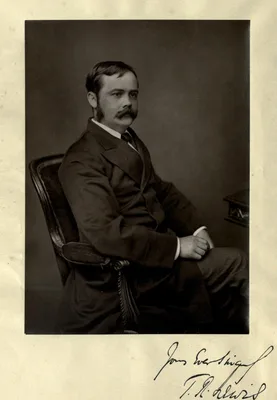
Lewis made the critical connection/association of the worm, Filaria sanguinis,(Wuchereria bancrofti ) to Elephantiasis. This brief account appears to be a third person account summarizing Lewis's work written by an ed…
2015 CE
#10919
Haemaphysalis longicornis ticks as reservoir and vector of severe fever with thrombocytopenia syndrome virus in China.
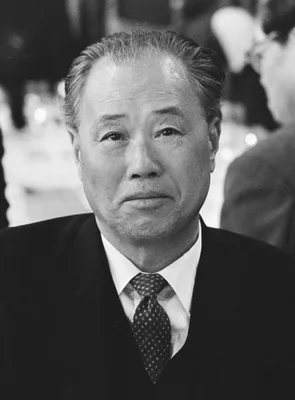
Order of authorship in the original paper: Luo, Zhao, Wen. Discovery that the tick H longicornis can transmit the SFTSV transstadially and transovarially, and could potentially be both the reservoir and vector of the …
2016 CE
#11437
Hidden lives, concealed narratives: A history of leprosy in the Philippines. Edited by Maria Serena I. Diokno.
1967 CE
#12716
In Japanese: [Acute febrile mucocutaneous syndrome with lymphoid involvement with specific desquamation of the fingers and toes in children.]
Kawasaki first reported this disease in 1961 in a four-year-old child with a rash and fever at the Red Cross Hospital in Tokyo; by the time he wrote this paper he had seen 50 cases. The mysterious novel illness was ev…
2002 CE
#13567
Invisible invaders: Smallpox and other diseases in Aboriginal Australia 1780-1880.
"An epidemic of smallpox among Aboriginal people around the infant colony of Sydney in 1789 puzzled the British, for there had been no cases on the ships of the First Fleet. Where, then, did the epidemic come from? "A…
1870 CE
#5292
Kala azar.
Kala azar is mentioned briefly in the Proceedings in 1869 (No. 34, p. 19) but the above is the first full description, given by Briscoe in a report dated 1 Dec 1869.
1780 CE
#5469
Korte aantekening wegens eene algemeene ziekte, doorgaans genaamd knokkel-koorts.
Bylon described an epidemic of dengue which appeared in the Dutch East Indies in 1779, the first definite description of the disease. O. H. P. Pepper published a photographic reproduction of the article in Ann. med. H…
1894 CE
#5125
La peste bubonique à Hong-Kong.
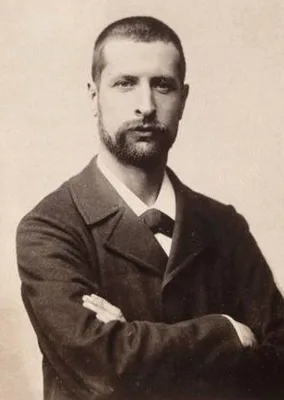
Yersin discovered the plague bacillus Pasteurella (Yersinia) pestis, isolating it from excised buboes. He published the first account of this organism. Preliminary note in C. R. Acad. Sci. (Paris), 1894, 119, 356.
1877 CE
#10722
Leprosy in India. A report.
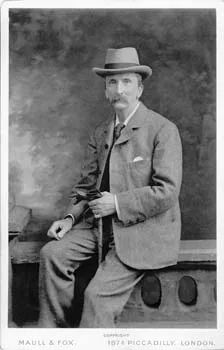
The first quantitative study of leprosy in India. Leprosy first appeared in India at least 2,000 years ago and continued to exist throughout the subcontinent over the succeeding centuries. Upon the establishment of th…
1977 CE
#9211
Medical Department, United States Army Internal medicine in Vietnam. Volume I. Skin diseases in Vietnam, 1965-72. Vol. II. General medicine and infectious diseases, edited by Andre J. Ognibene and O'Neill Barrett, Jr.
Digital facsimile of Vol. 1 from the Hathi Trust at this link. Vol. 2 is availabel from the U.S. Army Medical Department, Office of Medical History at this link.
1846 CE
#13739
Medical notes on China.
Wilson served as Inspector of Hospitals and Fleets from 1841 to 1843 onboard the Minden, a British hospital ship deployed in China at Chusan and Hong Kong at the end of 1841 to treat casualties in the First Opium War …
1974 CE
#12718
Myocardial infarction due to coronary thromboarteritis following acute febrile mucocutaneous lymph node syndrome (MLNS) in an infant.
The authors reported the case of a 6 month old baby who died from a myocardiac infarction after "recovering" from Kawasaki disease. Autopsy showed that the baby died from classical coronary artery thrombosis accompani…
1837 CE
#8803
Notes on the medical topography of Calcutta.
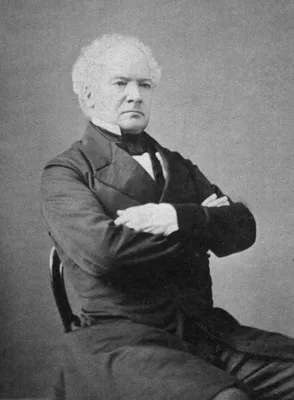
Digital facsimile from the Internet Archive at this link.
1773 CE
#8813
Observations on the diseases in long voyages to hot countries, and particularly on those which prevail in the East Indies.
Digital facsimile of the third edition, "revised and enlarged" (1793) from the Internet Archive at this link.
1924 CE
#5301.1
On a Herpetomonas found in the gut of the sandfly, Phlebotomus argentipes, fed on kala-azar patients.
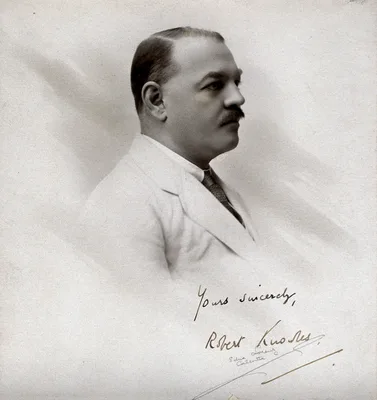
Demonstration that L. donovani is capable of reproduction in Phlebotomus. With R. O. Smith.
1881 CE
#5271
On a horse disease in India known as “surra”, probably due to a haematozoon.
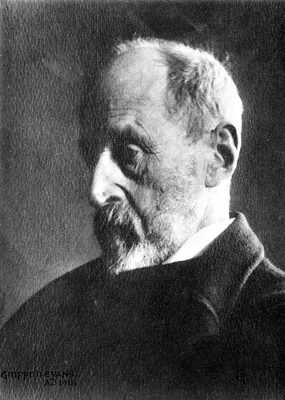
While serving in India as a veterinary surgeon, Evans discovered parasites in the blood of horses suffering from surra; this was the first pathogenic trypanosome to be described.
1861 CE
#4047
On a new and striking form of fungus disease, principally affecting the foot, and prevailing endemically in many parts of India.
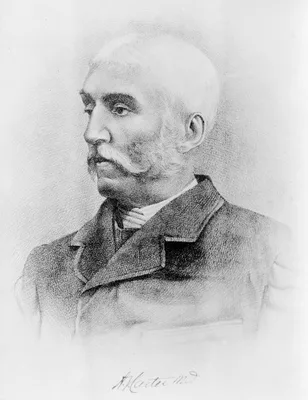
First modern description of mycetoma of the foot – “Madura foot”, “Carter’s mycetoma”. It was mentioned by E. Kaempfer in his Amoenitates exoticae, Lemgo, 1712, p. 561. Colebrook at…
1874 CE
#4066
On mycetoma, or the fungus disease of India.
See No. 4047.
1906 CE
#5472
On the etiology of dengue fever.
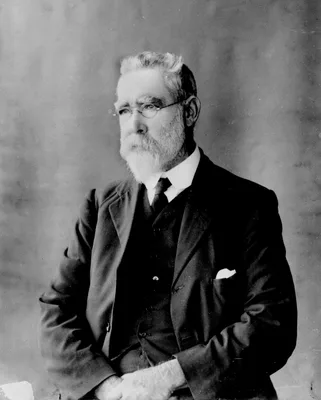
Bancroft was the first to produce evidence that Aëdes aegypti is a vector of dengue.
1903 CE
#5296
On the possibility of the occurrence of typanosomiasis in India.
Leishimania donovani, independently discovered by two British medical officers William Boog Leishman in Netley, England, and Donovan in Madras, India, in 1903. However, the correct taxonomy was provided by Ronald Ross…
1885 CE
#5293
On the presence of peculiar parasitic organisms in the tissue of a specimen of Delhi boil.
Cunningham saw and described bodies in Delhi boil; these were almost certainly Leishman–Donovan bodies.