
Facets
Browse across eight MeSH (opens in new tab) facets — era, geography, science, specialty, technology, history, culture, and reference. Select one tag per group; counts update across the others.
Clear filtersFacet filters
Geography
Specialties & Disease
- Anatomy & Pathology 8
- Cardiology & Blood 2
- Neurology & Psychiatry 12
- Obstetrics & Reproductive 3
- Infectious Disease (General) 5
- Surgery & Anesthesia 13
- Public Health 38
- Immunology & Dermatology 10
- General Clinical Medicine 78
- Military Medicine 25
- Psychology 3
- Alternative & Fringe Medicine 16
- Pediatrics 4
- Ophthalmology & Vision 6
- ENT & Hearing 0
- Urology & Nephrology 0
- Gastroenterology & Hepatology 1
- Pulmonary & Respiratory 2
- Rheumatology, Rehab & Pain 1
- Internal, Emergency & Geriatric 2
- Veterinary Medicine 7
- Epidemiology & Demography 18
- Physiology & Embryology 1
- Dentistry 5
- Plagues & Epidemics 90
- Microbiology & Virology 42
Social & Historical Studies
Institutions & Culture
Reference & Scholarly Works
Drugs & Technology
449 entries match Asia & Pacific [Z01.586]
1888 CE
#5323
Note on the occurrence of a minute blood-spirillum in an Indian rat.
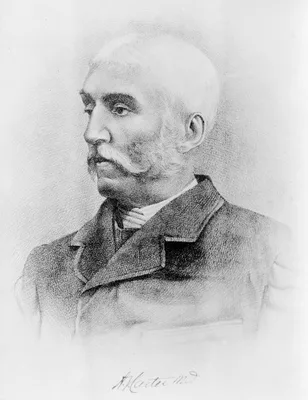
Demonstration of Spirillum minus, later shown to be a cause of rat-bite fever. (See also No. 5327).
1885 CE
#6604
Notes on the history of medical progress in Japan.
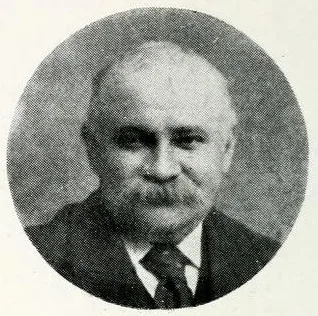
From Trans. Asiatic Soc. Japan, 1885, 12, 245-469. Digital facsimile from the Internet Archive at this link.
1849 CE
#11757
Notes on the influence exercised by trees in inducing rain and preserving moisture.
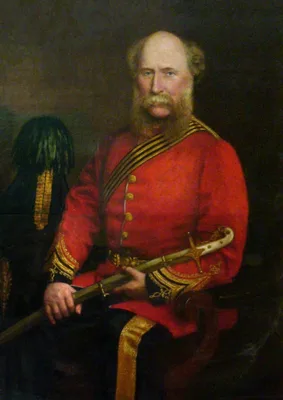
Digital facsimile from the Internet Archive at this link.
1837 CE
#8803
Notes on the medical topography of Calcutta.
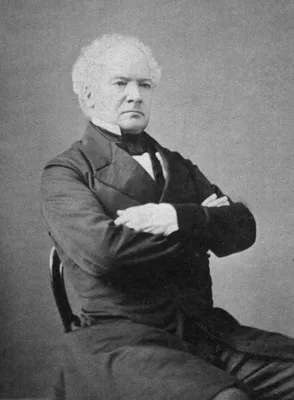
Digital facsimile from the Internet Archive at this link.
2016 CE
#10420
Novel medicine: Healing, literature, and popular knowledge in early modern China.
"By examining the dynamic interplay between discourses of fiction and medicine, Novel Medicine demonstrates how fiction incorporated, created, and disseminated medical knowledge in China, beginning in the sixteenth ce…
1773 CE
#8813
Observations on the diseases in long voyages to hot countries, and particularly on those which prevail in the East Indies.
Digital facsimile of the third edition, "revised and enlarged" (1793) from the Internet Archive at this link.
1937 CE
#6604.4
Occidental therapeutics in the Netherlands East Indies during three centuries of Netherlands settlement. 1600-1900.
An English summary of two earlier Dutch works by D. Schoute, 1929-1936.
1930 CE–1943 CE
#9621
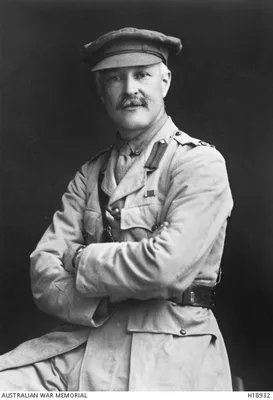
Official history of the Australian Army Medical Services in the war of 1914-1918
1871 CE
#5344.8
On a haemotozoon inhabiting human blood. Its relation to chyluria and other diseases.
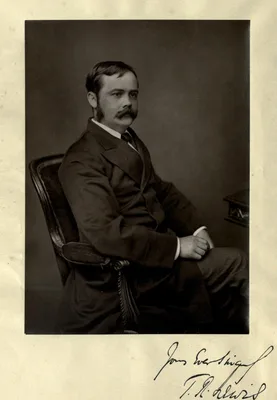
Independently of Demarquay (No. 5344.3) and Wucherer (No. 5344.6), Lewis found microfilariae in the urine and blood in chyluria. He was first to use the term Filaria sanguinis hominis for the parasite.
1924 CE
#5301.1
On a Herpetomonas found in the gut of the sandfly, Phlebotomus argentipes, fed on kala-azar patients.
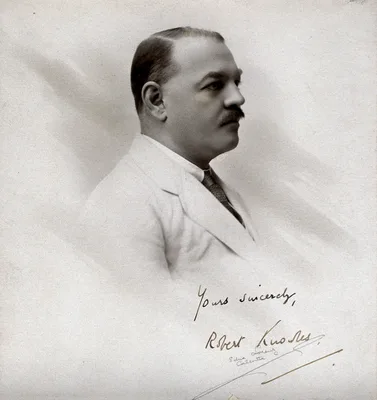
Demonstration that L. donovani is capable of reproduction in Phlebotomus. With R. O. Smith.
1881 CE
#5271
On a horse disease in India known as “surra”, probably due to a haematozoon.
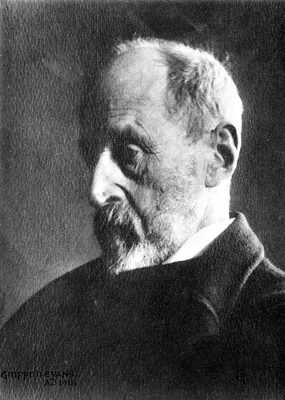
While serving in India as a veterinary surgeon, Evans discovered parasites in the blood of horses suffering from surra; this was the first pathogenic trypanosome to be described.
1861 CE
#4047
On a new and striking form of fungus disease, principally affecting the foot, and prevailing endemically in many parts of India.
First modern description of mycetoma of the foot – “Madura foot”, “Carter’s mycetoma”. It was mentioned by E. Kaempfer in his Amoenitates exoticae, Lemgo, 1712, p. 561. Colebrook at…
1863 CE
#10894
On Australasian climates and their influence in the prevention and arrest of pulmonary consumption.
Digital facsimile from wellcomecollection.org at this link.
1929 CE
#9247
On Chinese medicine: Drugs of Chinese pharmacies in Malaya.
1874 CE
#4066
On mycetoma, or the fungus disease of India.
See No. 4047.
1902 CE
#5362.1
On the causal relationship between “ground itch”, or “pani-ghao”, and the presence of the larvae of the Ankylostoma duodenale in the soil.
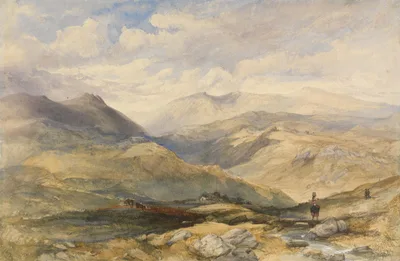
While a medical officer in the tea plantations in Assam, India, Bentley demonstrated the mode of entry of Ankylostoma into the body.
1885 CE
#3740
On the cause and prevention of kakke.
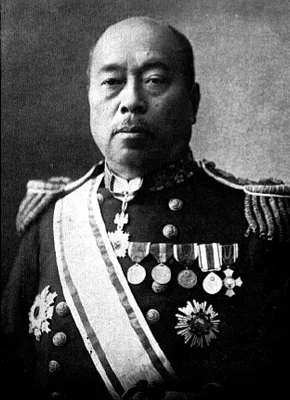
Takaki was the first conclusively to show the dietary origin of beriberi. Measures introduced by him resulted in its eradication from the Japanese Navy, where it had previously been a serious problem.
1906 CE
#5472
On the etiology of dengue fever.
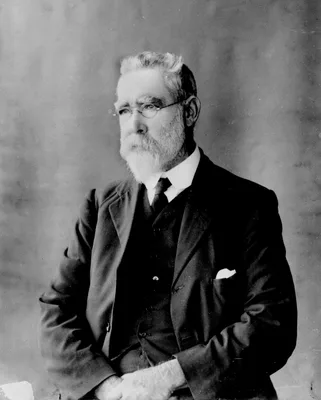
Bancroft was the first to produce evidence that Aëdes aegypti is a vector of dengue.
1859 CE
#7446
On the flora of Australia, its origin, affinities, and distribution; being an introductory essay to the Flora of Tasmania. Offprint from The Botany of the Antarctic Voyage of H. M. Discovery Ships ‘Erebus’ and ‘Terror’, Vol. III (Flora Tasmaniae), part I (June, 1859).
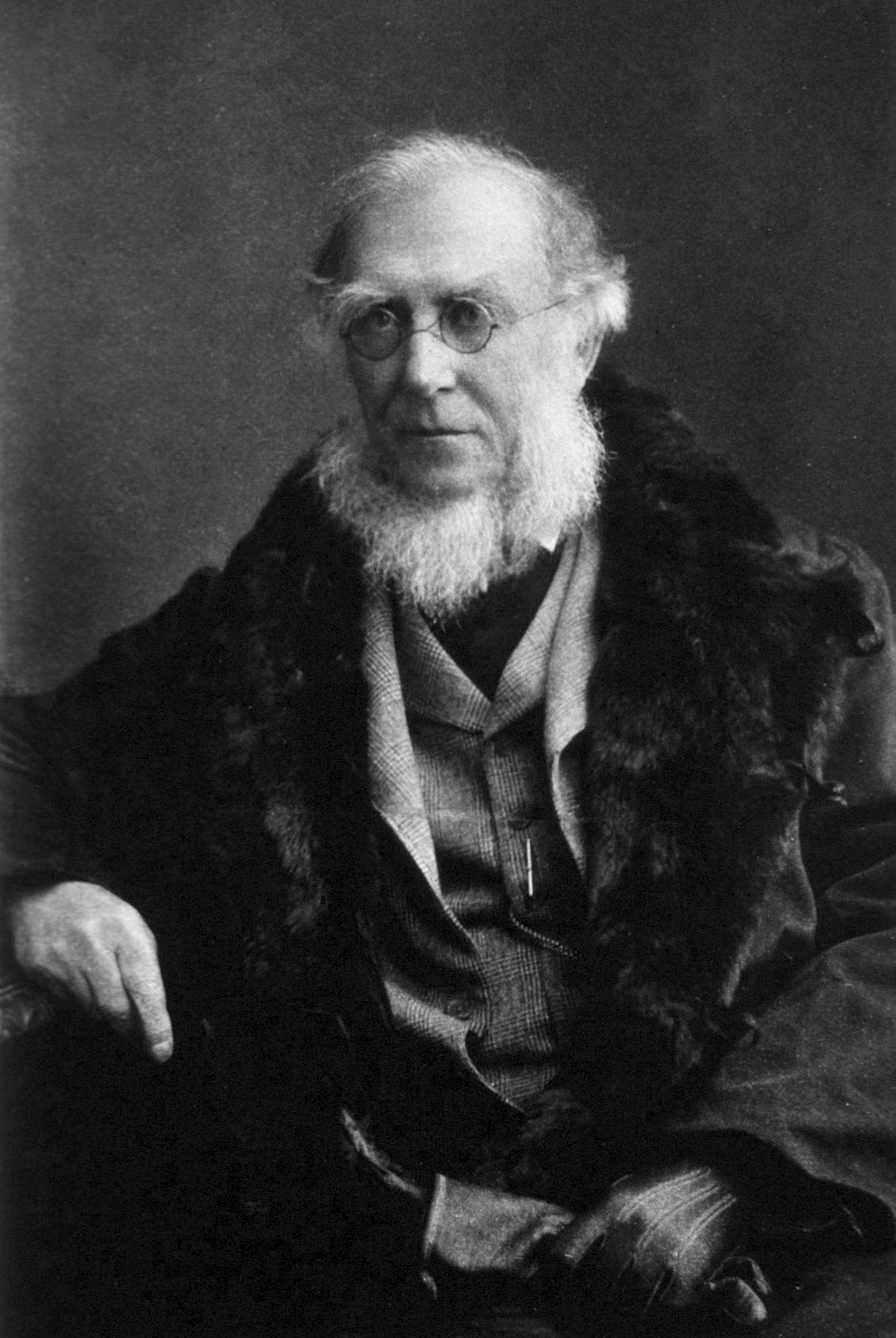
The first important botanical work by a supporter of Darwin’s theory of evolution by natural selection. Hooker, a botanist and plant geographer, had been a close friend of Darwin for many years, and was aware of…
1855 CE
#13712
On the law which has regulated the introduction of new species.
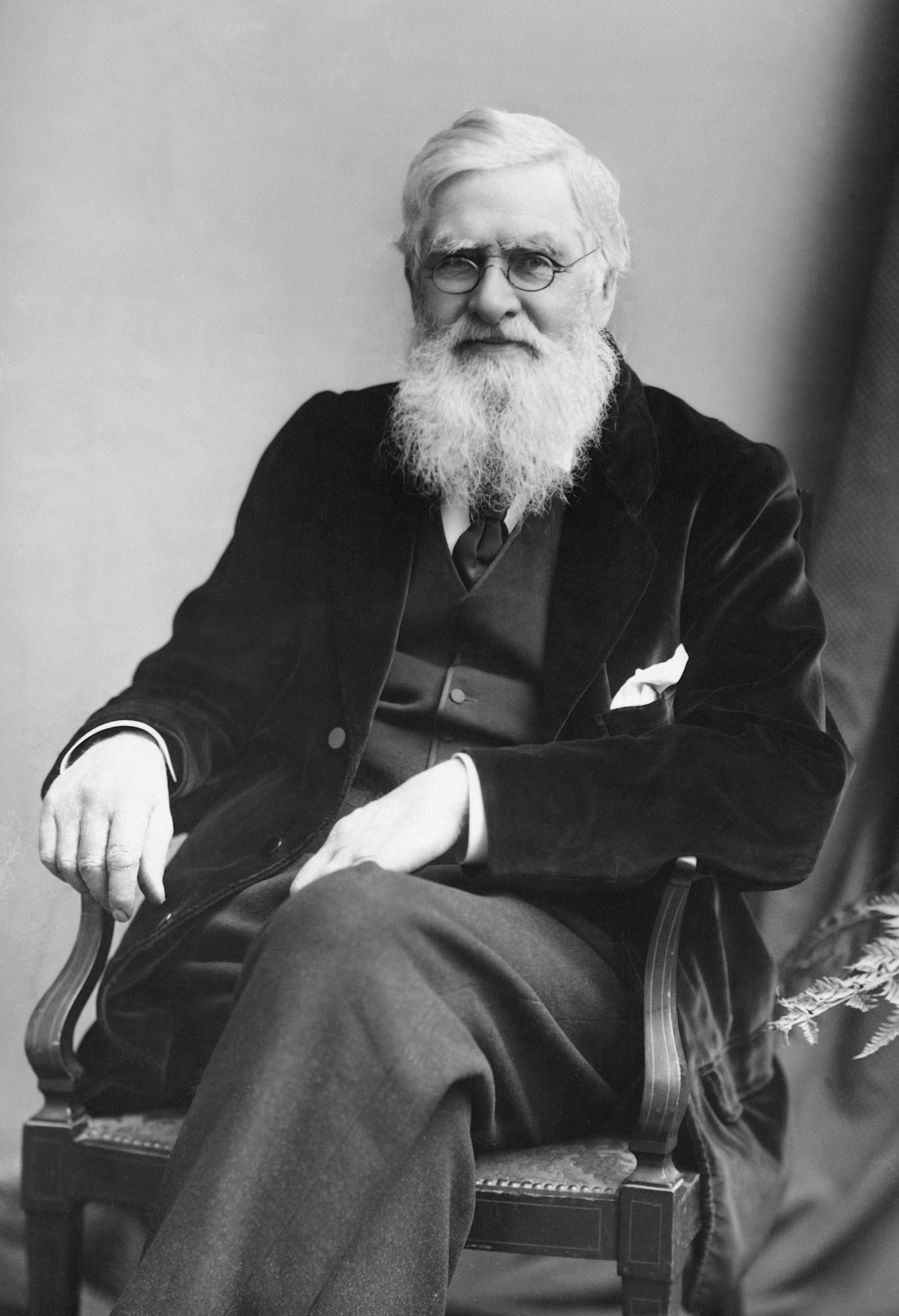
This paper is sometimes referred to as the Sarawak Law paper since it was written while Wallace was on a specimen collecting expedition in the province of Sarawak (East Malayasian States) on the great island of Borneo…
1921 CE
#5350.7
On the life cycle of Fasciolopsis buski Lankester.
1903 CE
#5296
On the possibility of the occurrence of typanosomiasis in India.
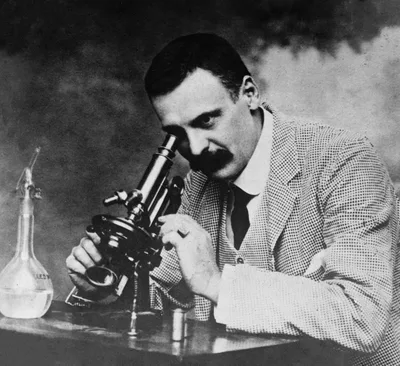
Leishimania donovani, independently discovered by two British medical officers William Boog Leishman in Netley, England, and Donovan in Madras, India, in 1903. However, the correct taxonomy was provided by Ronald Ross…
1885 CE
#5293
On the presence of peculiar parasitic organisms in the tissue of a specimen of Delhi boil.
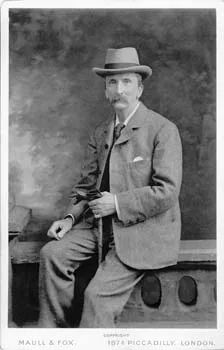
Cunningham saw and described bodies in Delhi boil; these were almost certainly Leishman–Donovan bodies.
1916 CE
#5474
On the transmission of Australian dengue by the mosquito Stegomyia fasciata.
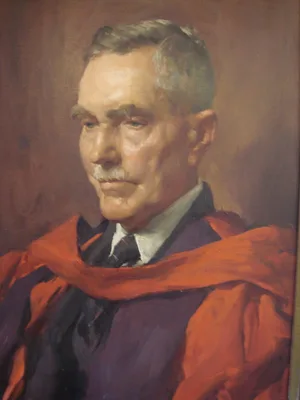
These workers proved that Aëdes aegypti (Stegomyia fasciata) is capable of transmitting dengue fever. See also J. Hyg. (Camb.), 1918, 16, 317-418. With C. H. Bradley and W. McDonald.
1919 CE
#2440
On the value of a skin reaction to a suspension of leprous nodules.
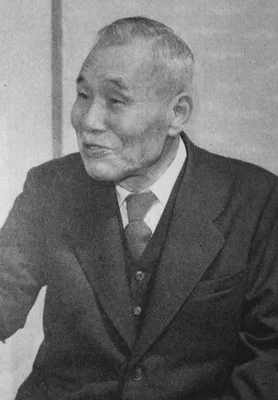
Mitsuda (lepromin) reaction. English translation by the author in Int. J. Leprosy, 1953, 21, 347-58.
1882 CE
#9506
Opium-smoking in America and China: A study of its prevalence, and effects, immediate and remote, on the individual and the nation.
The author claims (p. 1) that "the first white man who smoked opium in America is said to have been a sporting character named Clendenyn. The second—induced to try it by the first—smoked in 1871." Digital …
2021 CE
#13785
Ordering the myriad things: From traditional knowledge to scientific botany in China.
"China’s vast and ancient body of documented knowledge about plants includes horticultural manuals and monographs, comprehensive encyclopedias, geographies, and specialized anthologies of verse and prose written…
2003 CE
#10583
Origin of the life of a human being: Conception and the female according to ancient Indian medical and sexological literature.
1859 CE
#10891
Original contributions to the practice of conservative surgery; being a selection from the surgical cases occurring in the practice of James G. Beaney.
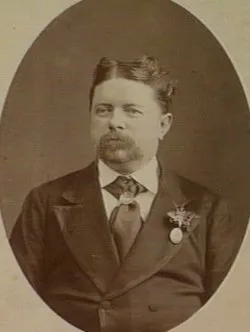
The first work on surgery written and published in Australia, and one of the first medical works on any subject written and published in Australia.
1868 CE
#14093
Palaeontological memoirs and notes of the late Hugh Falconer. For many years superintendent of the H.E.I. Company's botanical gardens at Suharunpoor and Calcutta. With a biographical sketch of the author. Compiled and edited by Charles Murchison. Vol. 1. Fauna Antiqua Sivalensis. Vol. II. Mastodon, elephant, rhinoceros, ossiferous caves, primeval man and his cotemporaries. 2 vols.
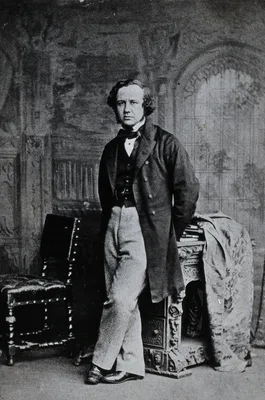
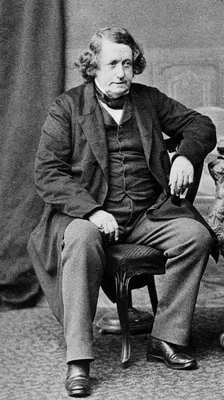
Falconer's writings on human antiquity appear in Vol. 2 of his Palaeontogical memoirs. Together with William Pengelly, Falconer was one of the first two scientists to visit Brixham Cave after its discovery in 1858, an…
1844 CE
#8810
Pathologia Indica, or, The anatomy of Indian diseases, medical and surgical: Based upon morbid specimens from all parts of India in the museum of the Calcutta Medical College; illustrated by detailed cases, with the prescriptions and treatment employed, and comments, physiological, practical and historical.
Significantly expanded second edition, in two parts (Calcutta: Thacker & Co., 1848). Digital facsimile of the 1848 edition from the Internet Archive at this link.
1890 CE–1893 CE
#9246
Pharmacographia indica: A history of the principal drugs of vegetable origin, met with in British India. 3 vols.
On the title page Dymock is identified as "Brigade Surgeon, Bombay Army, Principal Medical Storekeeper to Government." Warden is identified as "Surgeon-Major, Bengal Army, Professor of Chemistry in the Calcutta Medica…
1874 CE
#2032
Pharmacographia. A history of the principal drugs of vegetable origin met with in Great Britain and British India.
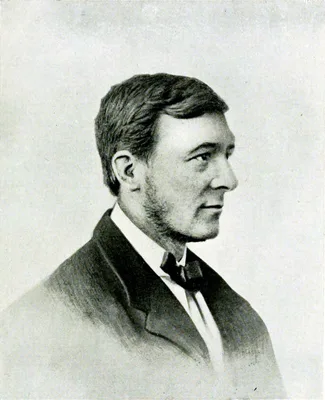
Digital facsimile from the Biodiversity Heritage Library at this link.
1868 CE
#8817
Pharmacopoeia of India, prepared under the authority of Her Majesty's Secretary of State for India in Council
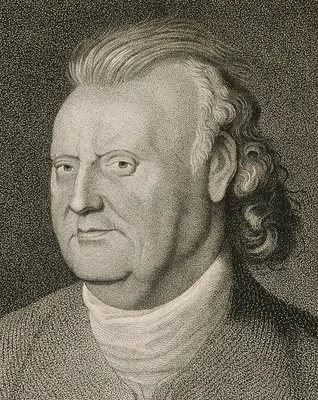
Waring was "Surgeon in Her Majesty's Indian Army." Digital facsimile from the Internet Archive at this link.
1988 CE
#6604.82
Pioneer medicine in Australia. Edited by John Hemsley Pearn.
Twenty illustrated essays by various authors.
1894 CE
#210
Pithecanthropus erectus. Eine menschenähnliche Uebergangsform aus Java.
Privately issued first report on Homo erectus. In 1891 Dubois discovered remains of what he described as "a species in between humans and apes" at Trinil, Java. He called his finds Pithecanthropus erectus ("ape-human …
1907 CE
#12138
Plague in Queensland, 1900-1907.
Ham was Queensland's first Commissioner of Public Health. Extensively illustrated. Digital facsimile from the Internet Archive at this link.
1967 CE
#12581
Plague prevention and politics in Manchuria, 1910-1931.
"The Chinese winter of 1910-1911 was one of death and discontent: an epidemic of pneumonic plague—the greatest since the Black Death of the fourteenth century—scourged China's three Eastern Provinces (Manc…
2006 CE
#9763
Plague, SARS, and the story of medicine in Hong Kong.
1884 CE–1888 CE
#12947
Plantae Davidianae ex Sinarum Imperio: Première partie: Plantes de Mongolie du Nord et du Centre de la Chine. Deuxieme Partie: Plantes du Thibet Oriental (Province de Moupine)
Catalogue of the very extensive collection of plants collected by the Lazarist missionary Father Armand David for the Musée d'Histoire Naturelle during his three major naturalist expeditions in China, Mongolia …
1754 CE
#13783
Poissons, écrevisses et crabes, de diverse couleurs et figures extraordinaires, que l'on trouve autour des Isles Moluques, et sur les côtes des Terres Australes....
"This extraordinary work purports to show marine life from the seas around Indonesia at a time when the natural wildlife of that area was virtually unknown in Europe. Renard, both a publisher and a spy for the British…
1818 CE
#5182.1
Practical observations on fever, dysentery and liver complaints as they occur amongst European troops in India. With introductory remarks on the disadvantages of selecting boys for Indian military service.
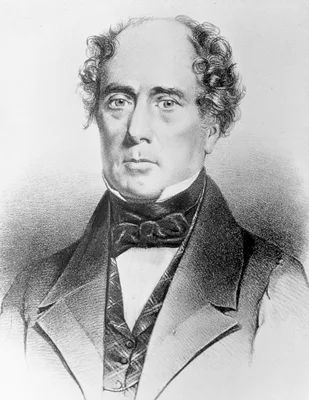
Ballingall distinguished between amoebic and bacillary dysentery. Digital facsimile from the Internet Archive at this link.
1843 CE
#8807
Practical observations on the principal diseases affecting the health of the European and native soldiers in the north-western provinces of India with a supplement on dysentery.
Digital facsimile from the Internet Archive at this link.
1829 CE
#9450
Praktische waarnemingen over eenige Javaansche geneesmiddelen, welke niet alleen vele uitheemsche medicamenten, die thans nog van Europa naar Java moeten worden overgezonden, kunnen vervangen, maar dezelve ook tegen eenige ziekten op het eiland Java heerschende, in werkzaamheid overtreffen.
An early account of Jamu (old spelling Djamu), the traditional medicine of Indonesia, especially Java. "It is a predominantly herbal medicine made from natural materials, such as parts of plants such as roots, bark, f…
1913 CE–1922 CE
#12960
Pratyaksa-śārira: pratyaksha-shariram: A textbook of human anatomy in Sanskrit with English & Sanskrit introductions, containing a short history of Ayurvedic literature. 3 vols.
1882 CE
#5204.1
Precis of operations performed in the wards of the first surgeon, Medical College Hospital, during the year 1881.
MacLeod was first to draw attention to granuloma inguinale.
1903 CE
#5297
Protozoa in a case of tropical ulcer (Delhi sore).
Wright found Leishmania tropica in Delhi sore. He was unaware of Borovskii’s paper (No. 5294).
1994 CE
#8802
Public health in British India: Anglo-Indian preventive medicine 1859-1914.
The first major study of public health in British India.
1989 CE
#12552
Public health in Papua New Guinea: Medical possibility and social constraint, 1884-1984.
2010 CE
#7465