
Facets
Browse across eight MeSH (opens in new tab) facets — era, geography, science, specialty, technology, history, culture, and reference. Select one tag per group; counts update across the others.
Clear filtersFacet filters
Geography
Specialties & Disease
- Anatomy & Pathology 1
- Cardiology & Blood 1
- Neurology & Psychiatry 1
- Obstetrics & Reproductive 1
- Infectious Disease (General) 0
- Surgery & Anesthesia 1
- Public Health 12
- Immunology & Dermatology 0
- General Clinical Medicine 0
- Military Medicine 5
- Psychology 0
- Alternative & Fringe Medicine 3
- Pediatrics 0
- Ophthalmology & Vision 0
- ENT & Hearing 0
- Urology & Nephrology 0
- Gastroenterology & Hepatology 1
- Pulmonary & Respiratory 0
- Rheumatology, Rehab & Pain 0
- Internal, Emergency & Geriatric 0
- Veterinary Medicine 0
- Epidemiology & Demography 3
- Physiology & Embryology 0
- Dentistry 0
- Plagues & Epidemics 6
- Microbiology & Virology 1
Social & Historical Studies
Institutions & Culture
Reference & Scholarly Works
Drugs & Technology
73 entries match United States [Z01.058] · Zoology & Animal Sciences [K01.900.500.750]
1994 CE
#10090
Secret doctors: Ethnomedicine of African Americans.
"Based on an ethnographic study of the traditional medicine of African Americans in the rural southern United States, this work concentrates on the original Louisiana Territory, with its Native and African American in…
2012 CE
#8206
Sex, sickness, and slavery: Illness in the antebellum South.
1998 CE
#8205
Slavery and medicine: Enslavement and medical practices in antebellum Louisiana.
1936 CE
#13588
Snakes of Maryland.
1847 CE–1847 CE
#10336
Southern ichthyology; or a description of the fishes inhabiting the waters of South Carolina, Georgia, and Florida. Pt. 2, 1847, Pt. 3, 1848.
Holbrook never published part one of this work.
2015 CE
#10442
The butterflies of North America: Titian Peale's lost manuscript. Foreward by Ellen V. Futter. Preface and scientific captions by David A. Grimaldi. Introduction by Kenneth Haltman.
1936 CE
#9304
The ethnobiology of the Chiricahua and Mescalero Apache: A. the use of plants for food, beverages and narcotics. Ethnobiological studies in the American Southwest, Vol. 3. Biological series (Vol. 4, No. 5); Bulletin, University of New Mexico, whole, (No. 297).
1935 CE
#9303
The ethnobiology of the Papago Indians. Ethnological Studies in the American Southwest II.
"The Tohono O’odham ... are a Native American people of the Sonoran Desert, residing primarily in the U.S. state of Arizona and the Mexican state of Sonora. Tohono O’odham means "Desert People." The federa…
1939 CE
#6594
The first Negro medical society. A history of the Medico-Chirurgical Society of the District of Columbia.
A detailed history of the “first American Negro medical society formed in America and probably in the world”. Cobb was the first black American medical historian of note.
1951 CE
#6596.1
The health of slaves on southern plantations.
Chiefly from contemporary MS records.
2006 CE
#7962
The Humboldt current: Nineteenth-century exploration and the roots of American environmentalism.
2018 CE
#10525
The medical imagination: Literature and health in the early United States.
"... During the eighteenth and nineteenth centuries, doctors understood the imagination to be directly connected to health, intimately involved in healing, and central to medical discovery. In fact, for physicians and…
1993 CE
#12429
The molecular vision of life: Caltech, the Rockefeller Foundation, and the rise of the new biology.
1731 CE–1747 CE
#9571
The natural history of Carolina, Florida and the Bahama Islands: Containing the figures of birds, beasts, fishes, serpents, insects, and plants: Particularly, the forest-trees, shrubs, and other plants, not hitherto described, or very incorrectly figured by authors. Together with their descriptions in English and French. To which are added observations on the air, soil and waters: With remarks on agriculture, grain, pulse, roots &c. To the whole is prefixed a new and complete map of the countries treated of. 2 vols.
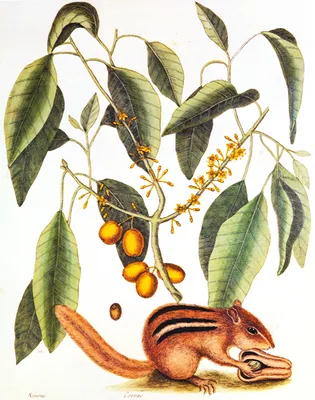
The only attempt to record the natural history of a region of America during the colonial period. Includes 220 fine handcolored etched plates after and by Catesby and mostly signed with his cipher, excepting plates 61…
1754 CE
#7678
The natural history of Carolina, Florida, and the Bahama Islands, containing the figures of birds, beasts, fishes, serpents, insects, and plants, particulary the forest trees, shrubs, and other plants, not hitherto described, or very incorrectly figured by authors. Together with their descriptions in English and French. To which are added, observations on the air, soil, and waters with remarks upon agriculture, grain, pulse, roots, &c. To the whole is prefixed a new and correct map of the countries treated of / by the late Mark Catesby; revised by Mr. [George] Edwards. 2 vols.
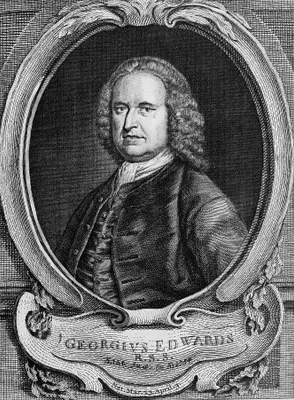
Second edition, edited by ornithologist George Edwards. Digital facsimile from the Internet Archive at this link.
1797 CE
#7768
The natural history of the rarer lepidopterous insects of Georgia. Including their systematic characters, the particulars of their several metamorphoses, and the plants on which they feed. Collected from the observations of Mr. John Abbot, many years resident in that country, by James Edward Smith.
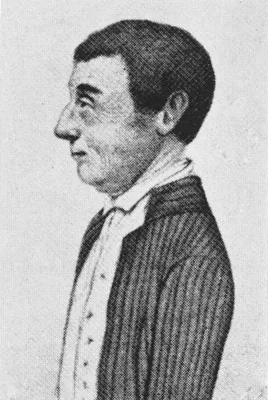
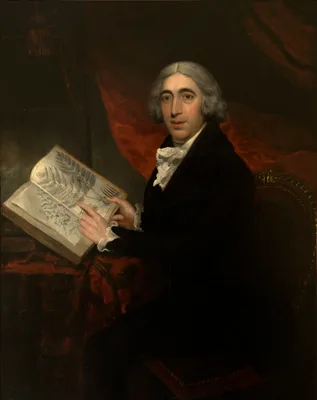
The earliest illustrated monograph on the butterflies and moths of North America. Text in English and French. 104 hand-colored plates. Digital facsimile from the Internet Archive at this link.
1912 CE
#7050
The Negro in medicine.
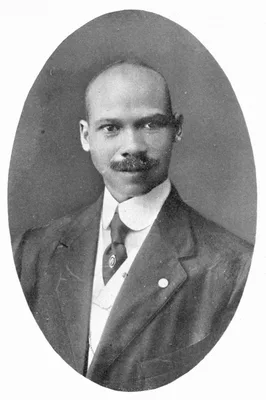
An early publication on the medical problems of blacks written by a black physician. Kenney served as school physician at Tuskegee University, was the first director of the John A. Andrew Memorial Hospital at Tuskegee…
2012 CE
#9977
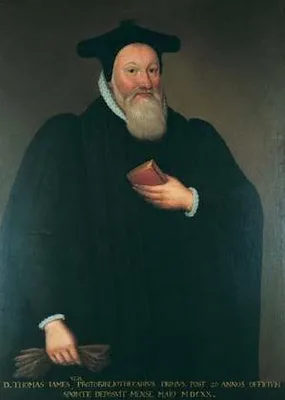
The New Encyclopedia of Southern Culture: Volume 22: Science and medicine. Edited by James G. Thomas, Jr. & Charles Reagan Wilson.

1807 CE
#7049
The planter's and mariner's medical companion: treating, according to the most successful practice, I. The diseases common to warm climates and on ship board. II. Common cases in surgery, as fractures, dislocations, &c. &c. III. The complaints peculiar to women and children. To which are subjoined a dispensatory, shewing how to prepare and administer family medicines, and a glossary giving an explanation of technical terms.
Ewell, then practicing in Savannah, Georgia, wrote this self-help book for southern residents, directing his book toward plantation owners. It was "the constant friend of a large number of slave-masters. In emergencie…
1845 CE–1854 CE
#7769
The viviparous quadrupeds of North America. 2 vols. of plates in folio; 3 vols. 8vo text.
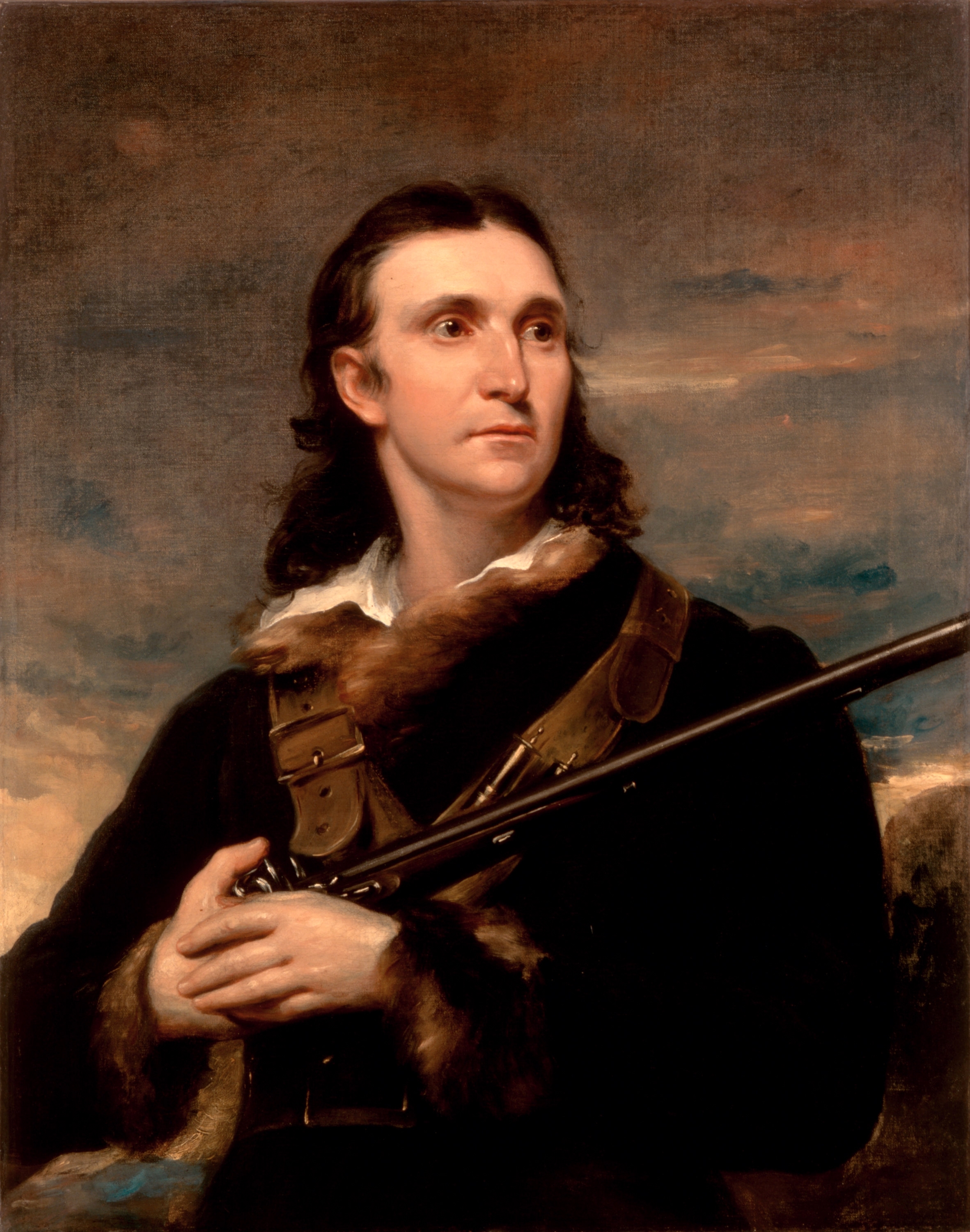
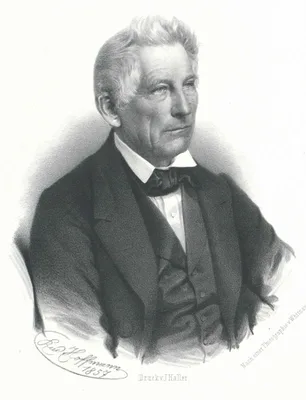
The largest and most significant color plate book produced in America during the 19th century.
2018 CE
#10755
To raise up the man farthest down: Tuskegee University's advancements in human health, 1881-1987.
2016 CE
#10421
Vanishing America: Species extinction racial peril, and the origins of conservation.
"Nineteenth-century citizens of European descent widely believed that Native Americans would eventually vanish from the continent. Indian society was thought to be tied to the wilderness, and the manifest destiny of U…
2002 CE
#9624