
Facets
Browse across eight MeSH (opens in new tab) facets — era, geography, science, specialty, technology, history, culture, and reference. Select one tag per group; counts update across the others.
Clear filtersFacet filters
Geography
Specialties & Disease
- Anatomy & Pathology 1
- Cardiology & Blood 0
- Neurology & Psychiatry 10
- Obstetrics & Reproductive 1
- Infectious Disease (General) 0
- Surgery & Anesthesia 3
- Public Health 12
- Immunology & Dermatology 0
- General Clinical Medicine 16
- Military Medicine 0
- Psychology 1
- Alternative & Fringe Medicine 64
- Pediatrics 0
- Ophthalmology & Vision 0
- ENT & Hearing 0
- Urology & Nephrology 0
- Gastroenterology & Hepatology 0
- Pulmonary & Respiratory 1
- Rheumatology, Rehab & Pain 1
- Internal, Emergency & Geriatric 0
- Veterinary Medicine 1
- Epidemiology & Demography 1
- Physiology & Embryology 1
- Dentistry 0
- Plagues & Epidemics 5
- Microbiology & Virology 2
Social & Historical Studies
Institutions & Culture
Reference & Scholarly Works
165 entries match Traditional & Indigenous [G02.403.700] · Pharmacology & Therapeutics [D01 / E02]
1986 CE
#9419
Medicine in China: A history of pharmaceutics.
1999 CE
#9277
Memory, wisdom and healing: The history of domestic plant medicine.
1998 CE
#7869
Native American ethnobotany.
Considered the definitive book on the subject documenting over 4,000 plants and roughly 44,000 uses, including medicinal usage.
2003 CE
#9669
Native American ethnobotany. A database of plants used as drugs, foods, dyes, fibers, and more, by native peoples of North America.
http://naeb.brit.org/ "As noted, In the spring of 2003, substantial revisions of the database were made, revising its looks, and adding links to the US Department of Agriculture PLANTS database. This means that comple…
1941 CE
#9281
Navajo Indian medical ethnobotany. University of New Mexico Bulletin, Anthropological Series, Vol. 3, No. 5.

Digital facsimile from herbaltherapeutics.net at this link.
1822 CE
#6988
New guide to health; or botanic family physician, containing a complete system of practice, upon a plan entirely new; with a description of the vegetables made use of, and directions for preparing and adminstering them to cure disease. To which is prefixed a narrative of the life and medical discoveries of the author.
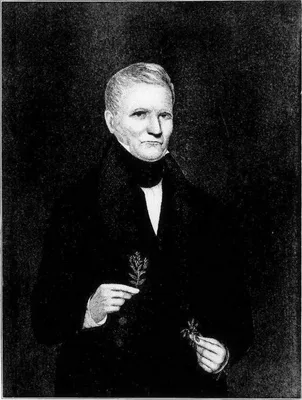
The "Bible" of Thomsonism or "Thomsonian medicine", which employed botanical remedies, often based on native American medicines. Digital facsimile from the Medical Heritage Library, Internet Archive, at this link.
1672 CE
#1826.1
New-Englands rarities discovered: in birds, beasts, fishes, serpents, and plants of that country. Together with the physical and chyrurgical remedies wherewith the natives constantly use to cure their distempers, wounds, and sores…
The first detailed account of the natural history and botany of North America, including the first extensive study of native North American medicine.
1911 CE–1936 CE
#12412
Nostrums and quackery: Articles on the nostrum evil and quackery reprinted from the Journal of the American Medical Association. 3 vols.
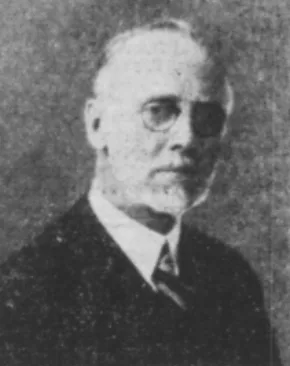
Cramp was director of the AMA's Propaganda for Reform Department. "In 1911, Cramp published the first of three volumes called Nostrums and Quackery,[3] which would become "a veritable encyclopedia on the nostrum evil …
1862 CE
#9678
Notes on Chinese materia medica. Reprinted, with some corrections, from the Pharmaceutical Journal and Transactions.
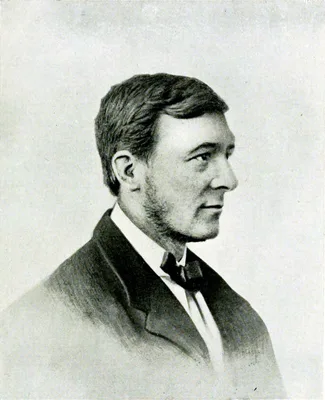
Reprinted, with continuous pagination, and index from the Pharmaceutical Journal for July and August, 1860, for November and December, 1861, and for February 1862. Digital facsimile from the Internet Archive at this l…
1673 CE
#12972
Nova medicina spirituum: Curiosa scientia & doctrina, unanimiter hucusque neglecta, & à nemine meritò exculta, medicis tamen & physicis utilissima. In quâ Primo Spirituum naturalis constitutio, vita, sanitas temperamenta, ingenia, calidum innatum, phantasiae vires, ideae, astrorum influentiae, μετεμψύχωσις, rerum magnetissimi, sympatiae & antipatiae, qualitates hactenus occultae, aliaq; caeteroquin abstrusa & paradoxa; Dehinc spirituum praeternaturalis seu morbosa Dispositio, causae, curationes per naturam, per diaetam, per arcana majora, palingenesiam, magnetissimum seu sympatheismum, transplantationes, amuleta, ingenuè & dilucidè demonstrantur.
”A very curious work, attributing the causes of many diseases to spirits and basing their cure on this theory. There is a great deal on insanity. The methods of treatment are partly chemical, partly magnetical, …
1534 CE
#9864
Om UrteVand.
Petersen issued a second book, "On herbal extracts" in 1534. According to Stokker, Remedies and rituals: Folk medicine in Norway and the new land (2007) p. 111, Pedersen's two works together contained "250 medical her…
1929 CE
#9247
On Chinese medicine: Drugs of Chinese pharmacies in Malaya.
1844 CE
#12695
On superstitions connected with the history and practice of medicine and surgery.
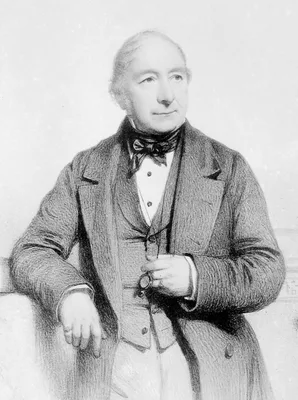
Digital facsimile from the Hathi Trust at this link.
1988 CE
#8791
Passage of darkness: The Ethnobiology of the Haitian zombie.
1971 CE
#10857
Peyote: an account of the origins and growth of the Peyote religion.
"The Peyote religion is a medico-religious cult. In considering native American medicines, one must always bear in mind the difference between the aboriginal concept of a medicinal agent and that of our modern Western…
1992 CE
#10856
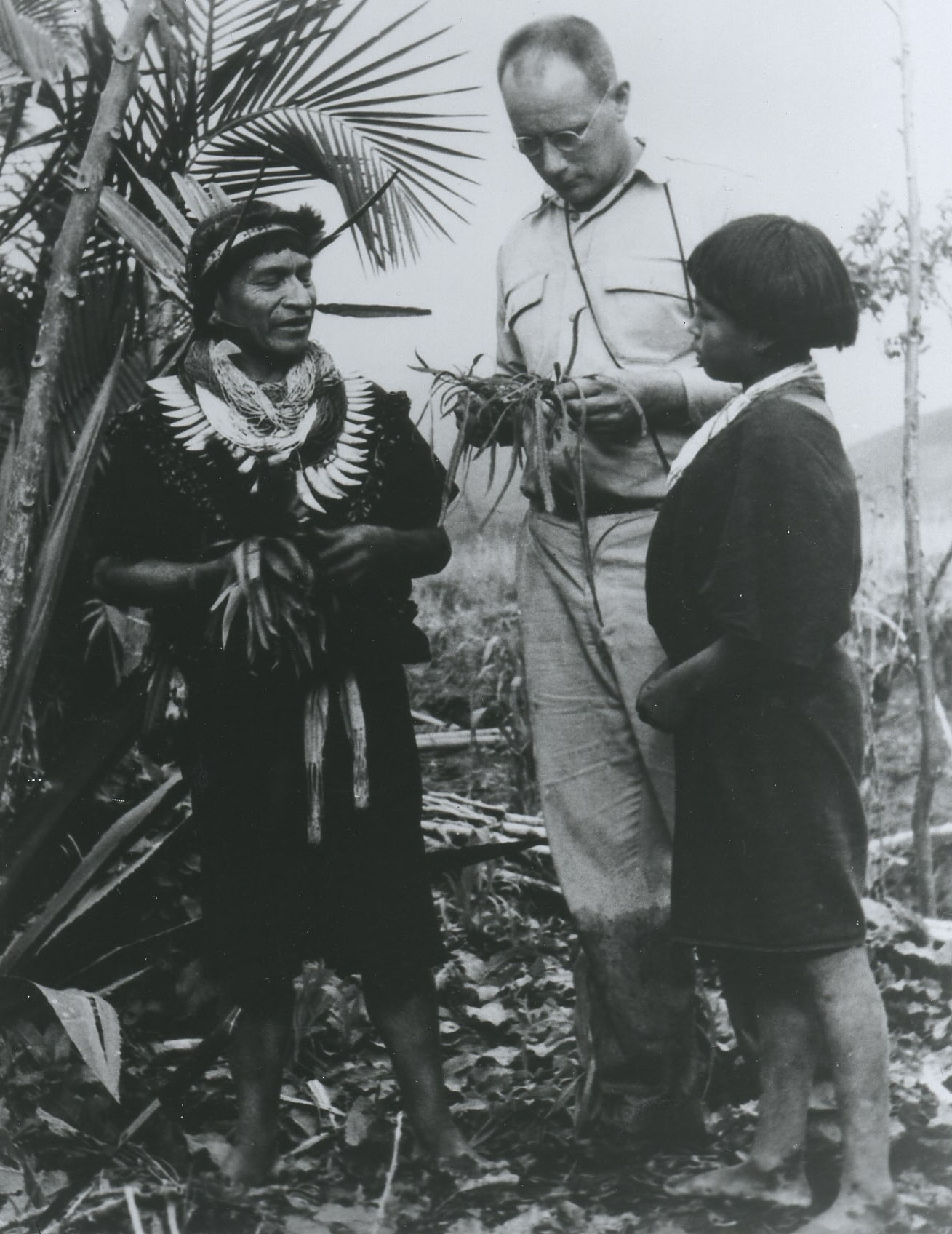
Plants of the gods: Their sacred, healing and hallucinogenic powers.
1940 CE
#9278
Plants used as curatives by certain Southeastern tribes.
Digital facsimile from herablstudies.net at this link.
1990 CE
#8877
Popular medicine in thirteenth-century England: Introduction and texts.
1829 CE
#9450
Praktische waarnemingen over eenige Javaansche geneesmiddelen, welke niet alleen vele uitheemsche medicamenten, die thans nog van Europa naar Java moeten worden overgezonden, kunnen vervangen, maar dezelve ook tegen eenige ziekten op het eiland Java heerschende, in werkzaamheid overtreffen.
An early account of Jamu (old spelling Djamu), the traditional medicine of Indonesia, especially Java. "It is a predominantly herbal medicine made from natural materials, such as parts of plants such as roots, bark, f…
1615 CE
#1820.1
Quatro libros. De la naturaleza, y virtudes de las plantas, y animales que estan receuidos en el vso de medicina en la Nueua España, y la methodo, y correccion, y preparacion, que para administrallas se requiere con lo que el doctor Francisco Hernandez escriuio en lengua latina. : Muy vtil para todo genero de gente q[ue] viue en esta[n]cias y pueblos, de no ay medicos, ni botica.Traduzido, y aumentados muchos simples, y compuestos y otros muchos secretos curatiuos, por Fr. Francisco Ximenes....
Physician to Philip II of Spain, Hernández travelled to Mexico by order of the king, and studied the natural history of the region from 1570-77. His Works, which filled six folio volumes of text and 10 volumes …
1993 CE
#10872
Rio Tigre and beyond: The Amazon jungle medicine of Manual Cordova-Rios
1997 CE
#9910
Sacred leaves of Candomblé: African magic, medicine, and religion in Brazil.
"Candomblé, an African religious and healing tradition that spread to Brazil during the slave trade, relies heavily on the use of plants in its spiritual and medicinal practices. When its African adherents were…
2015 CE
#9706
Science and civilisation in China: Vol. 6, biology and biological technology, Part 4, traditional botany: An ethnobotanical approach.
2017 CE
#9862
Secret cures of slaves: People, plants, and medicine in the eighteenth-century Atlantic world.

"Massive mortality among enslaved Africans and European planters, soldiers, and sailors fueled the search for new healing techniques. Amerindian, African, and European knowledges competed to cure diseases emerging fro…
1909 CE
#12411
Secret remedies, what they cost and what they contain. Based on analyses made for the British Medical Association.
This exposé of useless or dangerous drugs was followed in 1912 by More secret remedies. What they cost & what they contain. Based on analyses made for the British Medical Association. Digital facsimile of the 1…
1567 CE
#9053
Secretos de chirurgia, en especial de la enfermedades de morbo-galico y lamparones, y asimismo la manera como se curan los indos las llgas y heridas, y otras pasiones en las Indias, muy útil y provechoso par España, y otros muchos secretos de chirugia hasta ahora no escritos.
Arias de Benevides travelled to the New World where he observed native remedies and reported them in this book. In the book he also described his performance in Mexico City (1561) of the first neurosurgical interventi…
1546 CE
#9865
Skøn lystig ny Urtegaard.
Smid was one of the first writers on medicine in Scandinavia who was trained in medicine, but according to Stokker, Remedies and rituals: folk medicine in Norway and the new land (2007) p. 111 "had trouble succeeding …
1578 CE
#8023
Summa y recopilacion de cirugia, con un arte para sangrar, muy util y provechosa.
Second edition, Mexico, 1595: Summa y recopilacion de cirugia, con un arte para sangrar, y examen de barberos ... va añadido en esta segunda impresion el origen ... de las reumas. López de Hinojos…
1622 CE
#9633
Tabacologia: Hoc est, tabaci, seu nicotianae descriptio medico-cheirurgico-pharmaceutica: Vel eius praeparatio & usus in omnibus corporis humani incommodis.
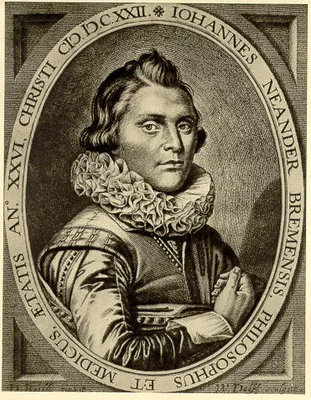
Neander described tobacco, its processing, and medical-pharmaceutical use. His book Includes images of the plants, of Indian, Oriental and European types of pipes, as well as depictions of cultivation and processing b…
1994 CE
#9937
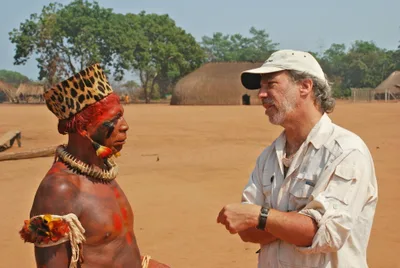
Tales of a shaman's apprentice: An ethnobotanist searches for new medicines in the Amazon rain forest.
1801 CE
#1838.2
The American herbal, or materia medica.
The first herbal both produced and printed in the United States, as opposed to those which were reprints of European works. Includes information on native American remedies. Digital facsimile from the Medical Heritage…
1672 CE
#7007
The American physician : or, a treatise of the roots, plants, trees, shrubs, fruit, herbs, etc., growing in the English Plantations in America ; ... whereunto is added a discourse of the Cacao-nut-Tree, and the use of its fruit ; with all the ways of making Chocolate
The earliest work in English on the medicinal virtues of North American tropical plants. Based on first-hand observations made in the West Indies, Evidence suggests that Hughes began his career in 1651 with a privatee…
1940 CE
#1811.1
The Badianus manuscript. (Codex Barberini, Latin, 241) Vatican Library. An Aztec herbal of 1552. Edited and translated by Emily W. Emmart.
The earliest complete Mexican medical text and the only medical text known to be the work of native Aztecs. Written by an Aztec physician named by the Spanish Martin de la Cruz, and translated into Latin by another na…
1980 CE
#8794
The botany and chemistry of hallucinogens. By Richard Schultes and Albert Hofmann. With a forward by Heinrich Klüver. Revised and enlarged second edition.
1699 CE
#7965
The dispensary: A poem. In six cantos.
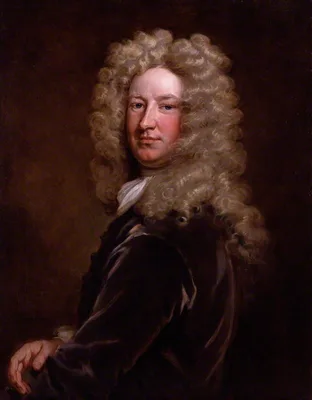
An aggressive criticism of quack medicines, apothecaries who produced them, and physicians who prescribed them.
1998 CE
#8336
The divine farmer's materia medica: A translation of the Shen Nong Ben Cao Jing by Yang Shou-zhong.
1928 CE
#12678
The divine origin of the craft of the herbalist.
A semi-popular account useful for its surveys of the earliest herbal literature: Egyptian, Sumerian, Assyrian, Greece, Syriac, Arabic, Coptic, Ethiopian (Abyssinian). Digital facsimile from the Internet Archive at thi…
1900 CE
#9475
The ethno-botany of the Coahuilla Indians.
"The ʔívil̃uqaletem (or Ivilyuqaletem) are Native Americans of the inland areas of southern California.[2] Their original territory included an area of about 2,400 square miles (6,200 km2). The traditional Cahu…
1911 CE
#9347
The ethno-botany of the Gosiute Indians of Utah.
Digital facsimile from the Internet Archive at this link.
1936 CE
#9304
The ethnobiology of the Chiricahua and Mescalero Apache: A. the use of plants for food, beverages and narcotics. Ethnobiological studies in the American Southwest, Vol. 3. Biological series (Vol. 4, No. 5); Bulletin, University of New Mexico, whole, (No. 297).
1961 CE
#10854
The ethnobotany of pre-Columbian Peru.
"....based on analysis of 2200 wild and cultivated plant specimens with clearly defined archaeological contexts... Part I is a systematic ethnobotany with pertinent citations of the botanical and archaeological litera…
1932 CE
#9283
The ethnobotany of the Acoma and Laguna Indians. M.A. thesis.
1972 CE
#9918
The ethnobotany of the California Indians: A compendium of the plants, their users, and their uses.
Revised, expanded, and updated edition, La Grande, OR: E-Cat Worlds, 2014.
1990 CE
#13343
The healing forest: Medicinal and toxic plants of the Northwest Amazonia.
1836 CE
#9524
The Indian vegetable family instructer: Containing the names and descriptions of all the most useful herbs and plants that grow in this country, with their medicinal qualities annexed; also, a treatise on many of the lingering diseases to which mankind are subject, ... with a large list of recipes, which have been carefully selected from Indian prescriptions ... Designed for the use of families in the United States.
1798 CE
#8654
The influence of metallic tractors on the human body, in removing various painful inflammatory diseases, such as rheumatism, pleurisy, some gouty affections, &c. &c: Lately discovered by Dr. Perkins, of North America; and demonstrated in a series of experiments and observations....by which the importance of the discovery is fully ascertained, and a new field of enquiry opened in the modern science of Galvanism, or animal electricity
In 1795 Dr. Elisha Perkins (1741-1799) of Connecticut introduced the use of “Metallic Tractors” for the treatment of a wide range of disorders, including pains in the head, face, teeth, breast, side, stoma…
1962 CE
#8793
The medicinal and poisonous plants of southern and eastern Africa: Being an account of their medicinal and other uses, chemical composition, pharmacological effects and toxicology in man and animal. Second edition.
1457pp. The first edition of 1932 had only 314pp.
2018 CE
#9792
The patent medicines industry in Georgian England: Constructing the market by the potency of print.
2001 CE
#9408
The people's doctors: Samuel Thomson and the American Botanical Movement 1790-1860.
"Samuel Thomson, born in New Hampshire in 1769 to an illiterate farming family, had no formal education, but he learned the elements of botanical medicine from a "root doctor," who he met in his youth. Thomson sought …
1938 CE
#13291
The peyote cult.
The history of the study of the cult, the various botanical questions surrounding peyote, its physiological action and the various ethnological, psychological and historical questions involved in its diffusion.