
Facets
Browse across eight MeSH (opens in new tab) facets — era, geography, science, specialty, technology, history, culture, and reference. Select one tag per group; counts update across the others.
Clear filtersFacet filters
Geography
Specialties & Disease
- Anatomy & Pathology 0
- Cardiology & Blood 0
- Neurology & Psychiatry 0
- Obstetrics & Reproductive 0
- Infectious Disease (General) 0
- Surgery & Anesthesia 0
- Public Health 3
- Immunology & Dermatology 0
- General Clinical Medicine 1
- Military Medicine 0
- Psychology 0
- Alternative & Fringe Medicine 2
- Pediatrics 0
- Ophthalmology & Vision 0
- ENT & Hearing 0
- Urology & Nephrology 0
- Gastroenterology & Hepatology 0
- Pulmonary & Respiratory 0
- Rheumatology, Rehab & Pain 0
- Internal, Emergency & Geriatric 0
- Veterinary Medicine 0
- Epidemiology & Demography 0
- Physiology & Embryology 0
- Dentistry 0
- Plagues & Epidemics 1
- Microbiology & Virology 0
Social & Historical Studies
Institutions & Culture
Reference & Scholarly Works
Drugs & Technology
39 entries match Medieval [K01.400.500] · Natural History & Evolution [K01.900.500]
1509 CE
#8445
Medicinae Pliniae libri quinque finiunt foeliciter.
The Medicina Plinii was an anonymous compilation of remedies dating to the early 4th century CE ."The excerptor, saying that he speaks from experience, offers the work as a compact resource for travelers in dealing wi…
2011 CE
#7100
A world of beasts: A thirteenth-century illustrated Arabic book on animals (the Kitāb Na't al-Hayawān) in the Ibn Bakhtīshū' Tradition.
Bakhtshooa Gondishapoori (also spelled Bukhtishu and Bukht-Yishu in literature) were Persian or Assyrian Nestorian Christian physicians from the 7th, 8th, and 9th centuries, spanning 6 generations and 250 years. The K…
1867 CE
#1792
Alberti Magni ex ordine praedicatorum de vegetabilibus libri VII: Historiae naturalis pars XVIII. Editionem criticam ab Ernesto Meyero coeptam: Absolvit Carolus Jessen.
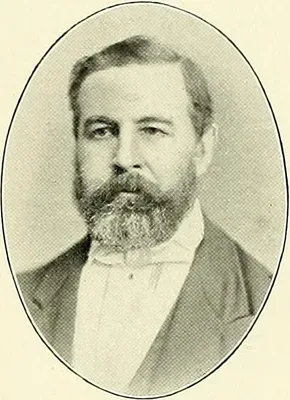
One of the best works on natural history produced during the Middle Ages, and, like most of Albertus's works, influential throughout the medieval period, though it does not appear to have been published in print until…
1999 CE
#8563
Albertus Magnus, On animals: A medieval summa zoologica. Translated and annotated by Kenneth F. Kitchell, Jr. and Irven Michael Resnick. 2 vols.
2013 CE
#7618
An environmental history of the Middle Ages: The crucible of nature.
2010 CE
#8367
Arab painting: Text and image in illustrated Arabic manuscripts. Edited by Anna Contadini.
2008 CE
#8234
Biographical index of the Middle Ages. 2 vols.
Contains 130,000 very brief biographical notes compiled from nearly 200 references (which are cited) on roughly 95,000 people from Europe and the Middle East during the 1000 years of the Middle Ages. The text is searc…
1475 CE
#276.1
Buch der Natur.
The first printed book to contain illustrations of animals, and the first notable scientific book in German. It discusses animals, birds, fish, anatomy, physiology, plagues, the medicinal value of plants and stones, e…
1916 CE–1920 CE
#8562
De animalibus libri xxvi. Nach der Cölner Urschrift, herausgegeben von Hermann Stadler. 2 vols. (Beiträge zur Geschichte der Philosophie des Mittelalters 15-16).
1478 CE
#276
De animalibus. Edited by Fernandus Cordubensis (Fernando de Córdoba).
Albertus was a Dominican monk and the most eminent naturalist of the 13th century; his work on animals contained a good deal of personal observation. He was the first to comment on virtually all of the writings of Ari…
1467 CE
#2190
De sermonum proprietate sive Opus de universo.
Also known as De rerum naturis. This dictionary or encyclopedia is the earliest known printed book to include a section dealing with medicine, and this brief section, Book 18, Chap. V concerning medicine and diseases,…
2010 CE
#13456
Die Mineralien in Der Arabischen Pharmakognosie: Eine Konkordanz Zur Mineralischen Materia Medica Der Klassischen Arabischen Heilmittelkunde Nebst ... Kommission (Vok) der A).
1972 CE
#12526
Die Natur- und Geheimwissenschaften im Islam.(Handbuch der Orientalistik, 1. Abteilung, Ergänzungsband VI, 2).
Concerns zoology, botany, mineralogy, alchemy, astrology, magic, agriculture, the largest section being devoted to alchemy.
1840 CE
#6502
Geschichte der arabischen Aerzte und Naturforscher.
This has traditionally been considered the first major history of Arab medicine. It was written mostly in the form of a chronological series of bio-bibliographies, and should also be considered a pioneering bibliograp…
1971 CE
#6510.2
Geschichte des arabischen Schriftums. Band 3. Medizin-Pharmazie, Zoologie-Tierheilkunde bis ca. 430 H.
1889 CE
#9041
Geschichte des Physiologus.
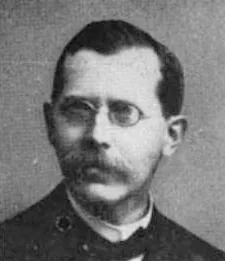
The most comprehensive survey of the general background of the Physiologus, and the later influence of this text. Digital facsimile from the Internet Archive at this link.
c. 1481 CE–c. 1482 CE
#6811
Herbarium Apulei.
The first printed herbal with illustrations was an illustrated edition of the Herbarium Apulei by Apuleius Platonicus or Pseudo-Apuleius, originally compiled circa 400 CE or earlier, and issued in Rome by the printer …
1800 CE
#1768
Historiae Aegypti compendium, Arabice et Latine. Partim ipse vertit, partim a Pocockio versum edendum curavit, notisque illustravit J. White.
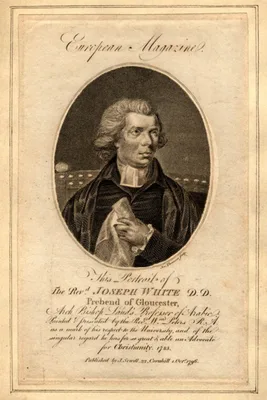
Arabic-Latin bilingual text, edited by White, incorporating a translation begun by Edward Pococke the Younger (1648-1727). Abd al-Latif gave a good description of the fauna and flora of Egypt, its inhabitants and some…
1491 CE
#1797
Hortus sanitatis.
HORTUS SANITATIS
First edition of an herbal and general treatise on natural history which became very popular; based on the unusually large number of surviving copies in institutions it must have also been a bestseller. The plant illu…
1976 CE
#8193
Islamic science: An Illustrated study.

Includes chapters on natural history, medicine and pharmacology, agriculture and irrigation, man and the natural environment.
1939 CE
#8527
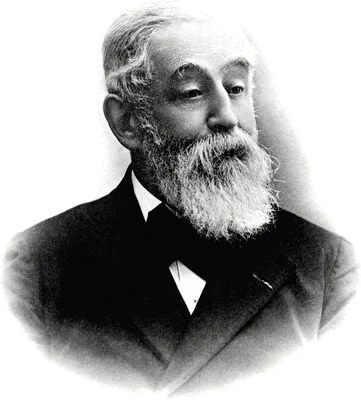
Les manuscrits arabes de l'Escurial. Vol. 2, Fascicule 2: Médecine et histoire naturelle. Compiled by Hartwig Derenbourg, edited by Henri Paul Joseph Renaud.
1511 CE
#9183
Libellus de lapidibus preciosis nuper editus.
The earliest medieval lapidary, and also the one which was quoted most widely. By the fourteenth century it was translated into French, Provençal, Italian, Irish, and Danish, and it was the first of Marbodius's…
2008 CE
#11624
Liber bestiarum. MS Bodley 764. Commentary by Christopher de Hamel and translation by Richard Barber. 2 vols.

Full color facsimile of the illuminated manuscript with translation and commentary in an accompanying volume. The two volumes boxed. The translation was originally published by the Folio Society in 1992, and the Boyde…
2015 CE
#9315
Peter of Spain, Questiones super libro De animalibus Aristotelis. Critical edition with introduction, edited by Francisca Navarro Sánchez.
1482 CE
#8979
Physiologus de naturis duodecim animalium.
The earliest printed edition (circa 1482) of the Physiologus, a Christological natural historical work that originated in Late Antiquity, and remained popular through the Middle Ages. This edition, which was very wide…
2009 CE
#9040
Physiologus: A medieval book of nature lore. Translated by Michael J. Curley.
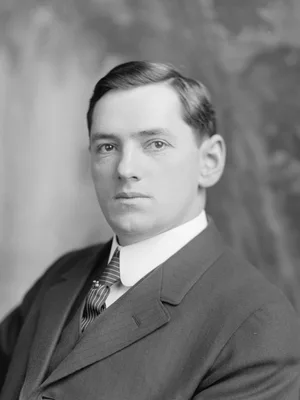
First published 1979, with a very informative introduction and notes. The paperback edition (2009) contains an extensive supplementary note discussing scholarship relating to Physiologus since 1979.
1936 CE
#8978
Physiologus. Ed. F. Sbordóne.
Physiologus, a didactic Christian text, is thought to have been written or compiled in Greek by an unknown author in Alexandria, 200-275 CE. It describes a "hodgepodge" of animals, real and imaginery, with the fig tre…
1862 CE
#7792
Poetae bucolici et didactici: Theocritus, Bion, Moschus....Phile De animalibus, elephanti, plantis....
Manuel Philes of Ephesus wrote didactic poems on the characteristics of animals, chiefly based upon Aelian and Oppian, and a didactic poem of some 2000 lines, dedicated to Michael IX Palaiologos; on the elephant, and …
1596 CE
#7117
Reliqua librorum Friderici II. Imperatoris, De arte venandi cum avibus, cum Manfredi Regis additionibus. Ex membranis vetustis nunc primum edita. Albertus Magnus De falconibus, asturibus, & accipitribus.
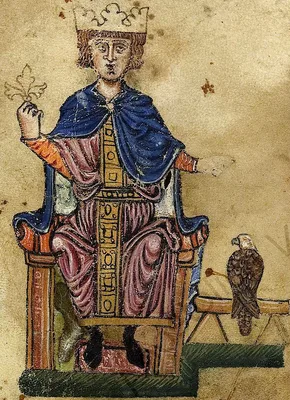
Books I-II of De arte venandi cum avibus, edited by Marcus Welser from a very old, incomplete defective manuscript, which lacked Books III-IV. More than a dissertation on hunting, this work is considered the first zoo…
c. 830 CE
#9042
Sammelband: Vita Sancti Symeonis; Physiologus latinus; Fredegarii Chronicon; Sermo S. Effrem; etc. Burgerbibliothek Codex Bongarsianus 318.
The earliest surviving illustrated manuscript version of the Physiologus. Digital facsimile of the codex from e-codices.unifr.ch at this link. This 9th century codex, from the Rheims scriptorium, was first published i…
1943 CE
#9352
The art of falconry, being the De arte venandi cum avibus of Frederick II of Hohenstaufen.
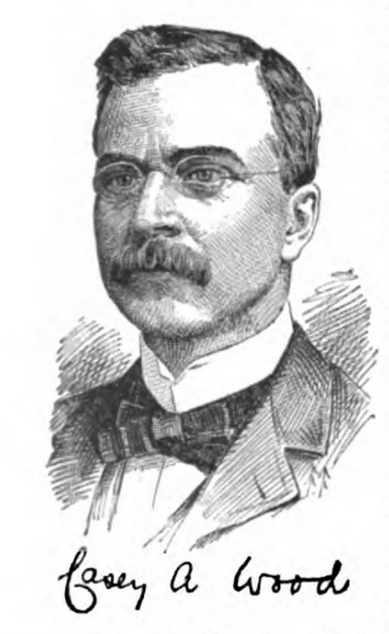
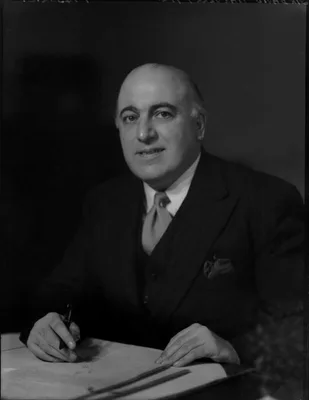
English translation of the six-book version of Frederick's work, edited, with numerous appendices, illustrations, and an annotated bibliography of ancient, medieval and modern falconry, by Casey A. Wood and F. Marjori…
2016 CE
#9694
The great transition: Climate, disease and society in the late-medieval world.

2015 CE
#9716
The making and meaning of the Liber Floridus: A study of the original manuscript, Ghent, University Library, MS 92.
"The Liber Floridus (1121), composed, written and illustrated by Canon Lambert of Saint-Omer, is the earliest illustrated encyclopedic compilation of the Latin West. Its autograph (Ghent, University Library, MS 92), a…
1992 CE
#7410
The medieval book of birds: Hugh of Fouilloy's Aviarium. Edition, translation and commentary by Willene B. Clark.
1928 CE
#8532
The zoological section of the Nuzhatu-l-Qulūb of Hamdullāh Al-Mustaufī Al-Qazwīnī. Edited and translated by John Stephenson.
1533 CE
#7793
Tou sophōtatou Philē, Stichoi iambikoi peri zōōn idiotētos.
The Greek text edited by Aristoboulos Apostolis (1465-1536), who became Arsenios, Archbishop of Monemvasia in 1514. Philes' Greek text was reedited by Joachim Camerarius with Latin translation by G. Bermann and first …
c. 512 CE
#6816
Vienna Dioscorides. Codex Vindobonensis Med. Gr. 1.
![DIOSCORIDES, Pedanius [Πεδάνιος Διοσκουρίδης] (40 – 90)](/media/portraits/2028)
The oldest surviving copy of Pedanius Dioscorides's treatise on medical botany and pharmacology, De materia medica, is an illuminated Byzantine manuscript produced about 512 CE. Dioscorides, a Greek physician, who may…
2006 CE
#7154
Visualizing medieval medicine and natural history, 1200-1550.
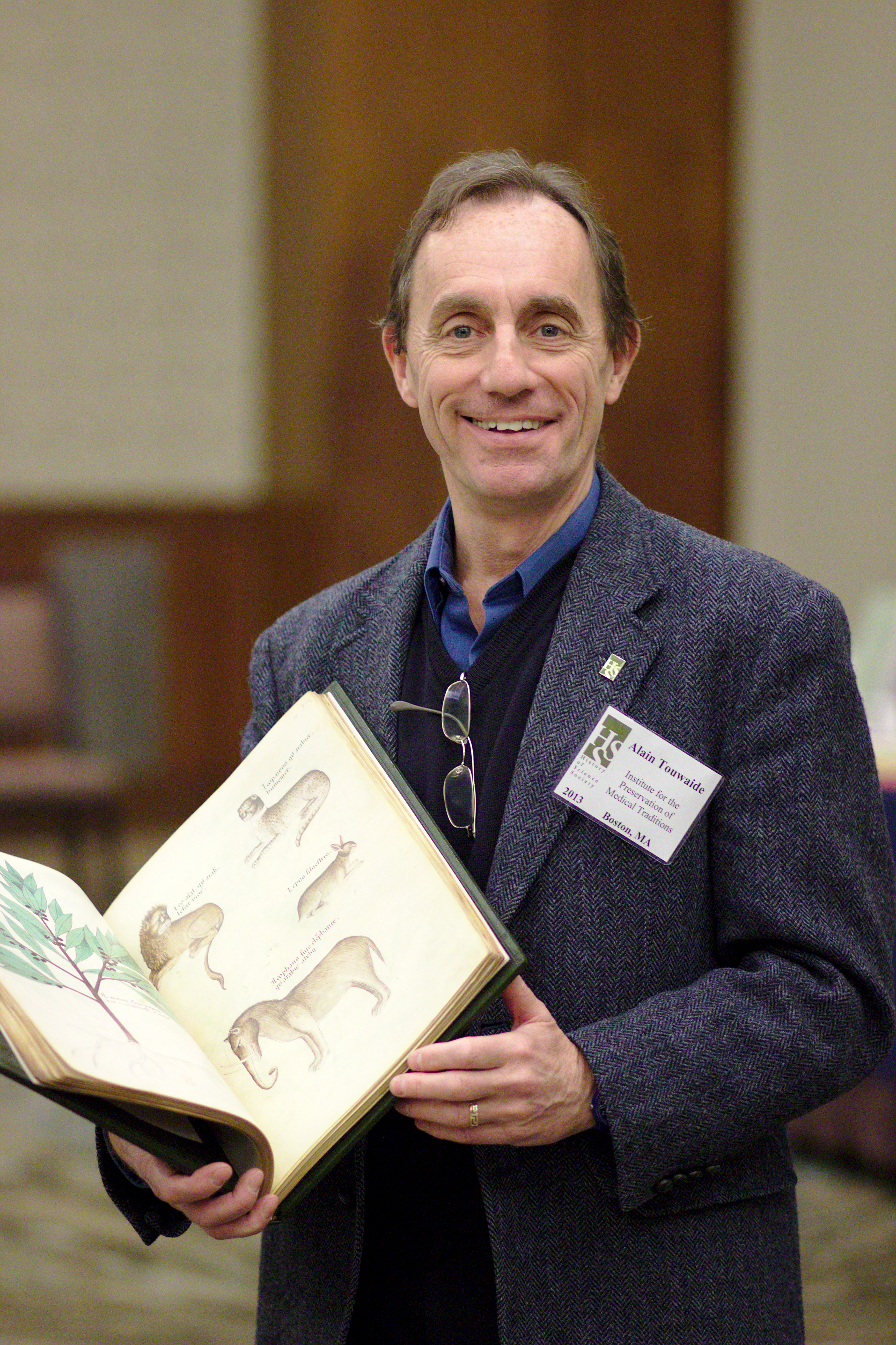
Avista Studies in the History of Medieval Technology, Science and Art Volume 5.
1478 CE
#1959.2
Von Bewahrung und Bereitung der Weine.
The first printed book on wine, its production and preservation, translated from the Latin by Wilhelm von Hirnkofen. It discusses the value of wine in diet and as a medication. Wine has been called the oldest document…