
Facets
Browse across eight MeSH (opens in new tab) facets — era, geography, science, specialty, technology, history, culture, and reference. Select one tag per group; counts update across the others.
Clear filtersFacet filters
Geography
Specialties & Disease
- Anatomy & Pathology 22
- Cardiology & Blood 7
- Neurology & Psychiatry 15
- Obstetrics & Reproductive 20
- Infectious Disease (General) 16
- Surgery & Anesthesia 33
- Public Health 36
- Immunology & Dermatology 5
- General Clinical Medicine 45
- Military Medicine 14
- Psychology 15
- Alternative & Fringe Medicine 17
- Pediatrics 7
- Ophthalmology & Vision 10
- ENT & Hearing 3
- Urology & Nephrology 6
- Gastroenterology & Hepatology 1
- Pulmonary & Respiratory 5
- Rheumatology, Rehab & Pain 10
- Internal, Emergency & Geriatric 4
- Veterinary Medicine 3
- Epidemiology & Demography 20
- Physiology & Embryology 12
- Dentistry 10
- Plagues & Epidemics 16
- Microbiology & Virology 26
Social & Historical Studies
Institutions & Culture
Reference & Scholarly Works
Drugs & Technology
16 entries match Ancient [K01.400.470] · Plagues & Epidemics [C01.252]
1912 CE
#2424
Aus der Frühgeschichte der Syphilis.
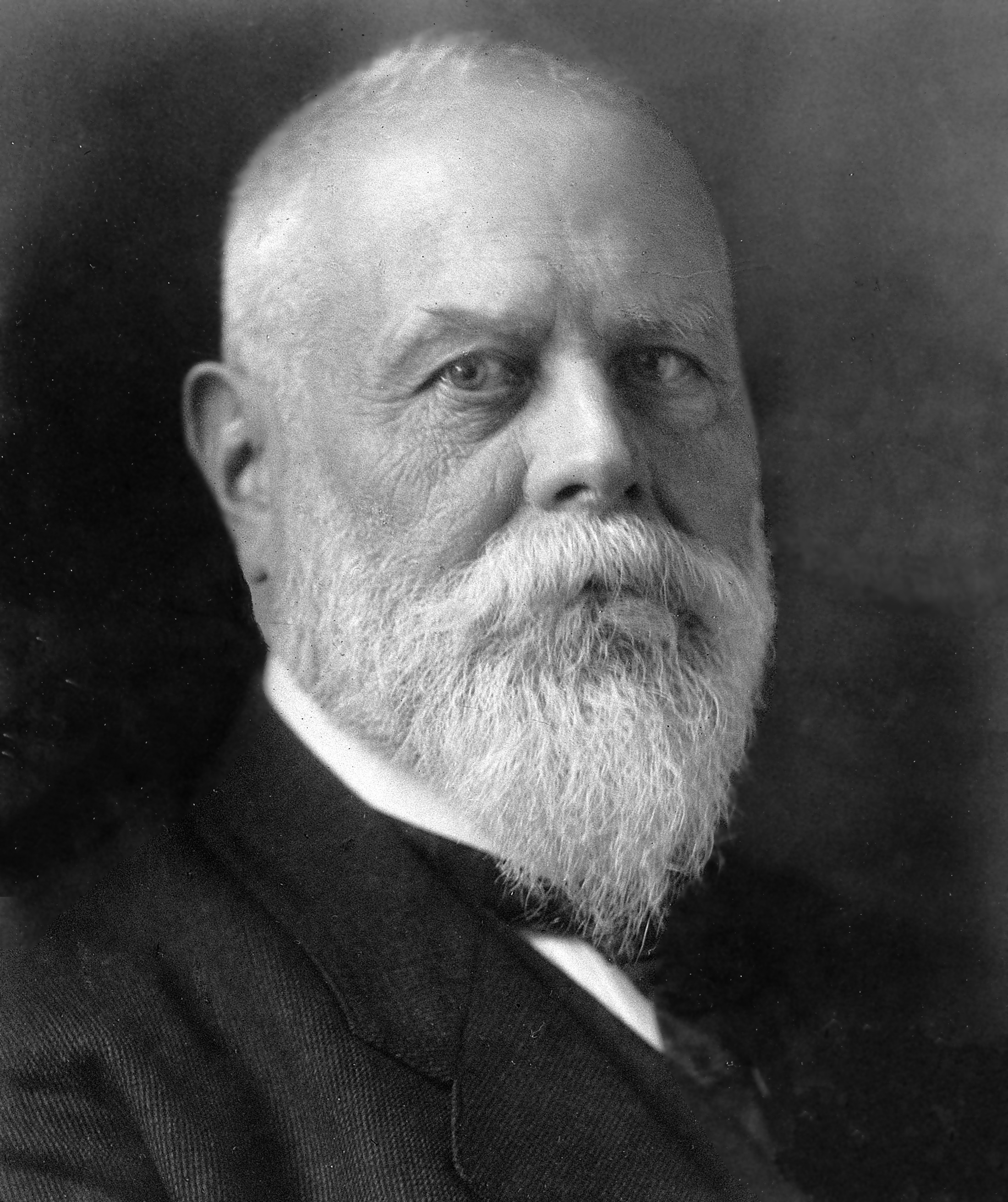
Sudhoff believed in the pre-Columbian existence of syphilis.
1883 CE
#5923
Bericht über die Thätigkeit der deutschen Cholerakommission in Aegypten und Ostindien.
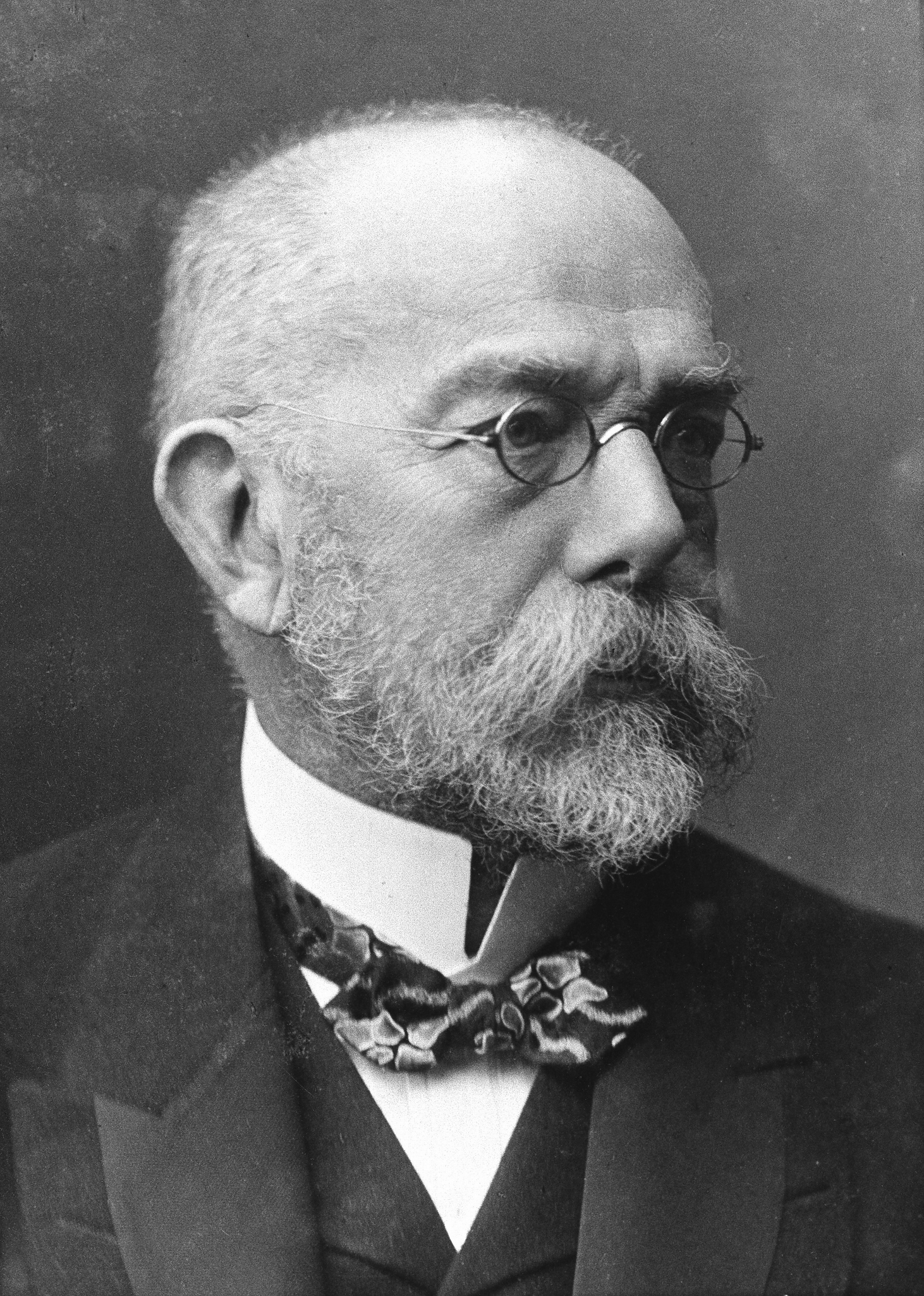
Koch–Weeks bacillus, Hemophilus conjunctivitidis, or Hemophilus aegyptius. Koch discovered the bacilli of two varieties of Egyptian conjunctivitis. See also No. 5930.
1845 CE
#2421
Geschichte der Lustseuche. Erster Theil. Die Lustseuche im Alterthume.
French translation, 1847; English translation as The plague of lust, being a history of venereal disease in classical antiquity, and including: Detailed investigations into the cult of Venus, and phallic worship, brot…
1909 CE
#5263
Malaria and Greek history. To which is added the history of Greek therapeutics and the malaria theory by E.T. Withington.
The view is put forward by the writer that malarial infection was the cause of the decadence of the Greeks. Digital facsimile from the Internet Archive at this link.
1800 CE–1801 CE
#5837
Mémoire sur l’ophtalmie régnante en Egypte.
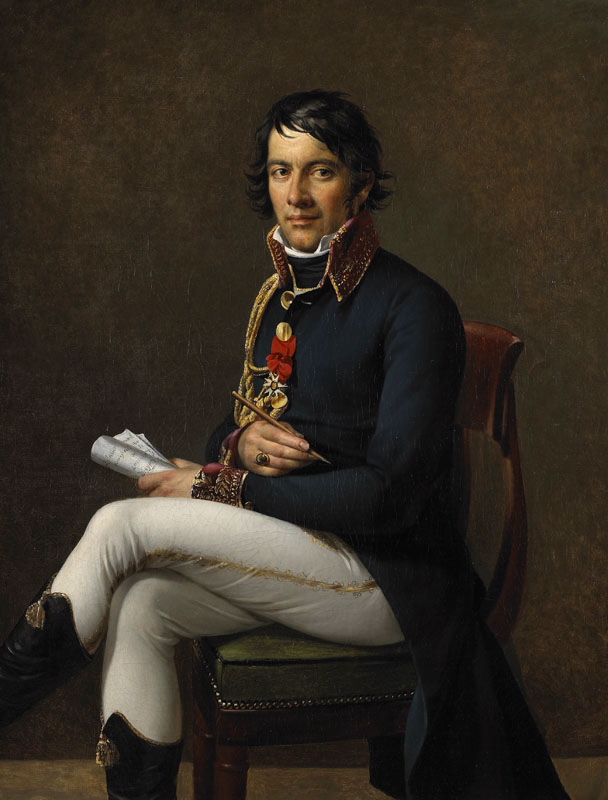
The great military surgeon Larrey served during the Napoleonic campaign in Egypt, where he was the first to observe the contagiousness of trachoma shortly after the successful invasion in 1798. The disease spread to E…
1801 CE
#12053
Observations sur la maladies appelée peste, le flux dissentérique, l'ophtalmie d'Égypte, et les moyens de s'en préserver. Avec des notions sur la fièvre jaune de Cadix, et les projet et plan d'un hôpital, pour le traitement maladies épidémiques et contagieuses.
At the time of publication Assalini, a military surgeon with Napoleon, characterized himself on the title page as "Docteur en Médecine et Chirugien de 1re classe de la Garde des Consuls..." Digital facsimile fr…
1798 CE–1801 CE
#10577
Opuscules du C[itoy]en Desgenettes, Médecin en chef de l'Armée d'Orient.
A collection of nine separately printed pamphlets issued by Napoleon's press in Cairo during his Egyptian campaign. See J.-F. Hutin, "La littérature médicale de la campagne d'Égypte", Histoire des…
2007 CE
#9687
Plague and the end of antiquity: The pandemic of 541-750. Edited by Lester K. Little.
2006 CE
#9763
Plague, SARS, and the story of medicine in Hong Kong.
1893 CE
#6361
Polyuria and tuberculosis.
“Hand–Schüller–Christian syndrome”, which Hand called polyuria and tuberculosis.
1915 CE–1916 CE
#5350.4
Reports of the results of the bilharzia mission in Egypt, 1915.

Leiper identified the snail responsible for the transmission of Schistosoma mansoni and S. haematobium.
1904 CE
#1
The code of Hammurabi, King of Babylon about 2000 BCE. Autographed text, transliteration, translation, glossary, index of subjects, lists of proper names, signs, numerals, corrections, and erasures, with map, frontispiece, and photograph of text by Robert Francis Harper.
The Code of Hammurabi was found among the cuneiform tablets of the library of Ashurbanipal. It is now in the Louvre. It was first published in Scheil, "Textes élamites-sémitiques. Deuxième s&eacut…
1950 CE
#13804
The early smallpox epidemics in Europe and the plague of Athens after Thucydides.

1821 CE
#12757
The history of plague, as it has lately appeared in the islands of Malta, Gozo, Corfu, Cephalonia, &c. detailing specific contagion of that disease, with particulars of the means adeopted for its eradication.

Concerns the Maltese plague,. 1813-1814. Digital facsimile from the Internet Archive at this link.
1906 CE
#5111.1
Über Cholera- und choleraähnliche Vibrionen unter den aus Mekka zurückkehrenden Pilgern.
Isolation of El Tor vibrio, a particular strain of the bacterium Vibrio cholerae. Gotschlich first identified this strain in 1905 at a quarantine camp on the Sinai Peninsula in El Tor, Egypt . The vibrios were found i…
1856 CE
#22
Тα ∑ωζομενα. The extant works of Aretaeus, the Cappadocian. Edited and translated by Francis Adams.
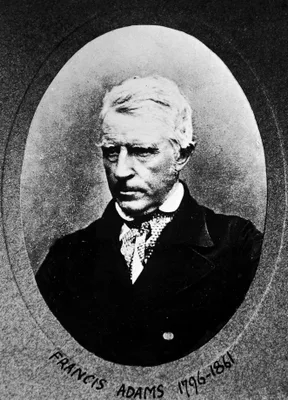
Aretaeus left many fine descriptions of disease; in fact Garrison ranks him second only to Hippocrates in this respect. In the printed editions of this bibliography, before the present online version, the Adams editio…