
De l’asphyxie locale et de la gangrène symétrique des extrémités.
Publication Details
Paris: Rignoux, 1862 CE.
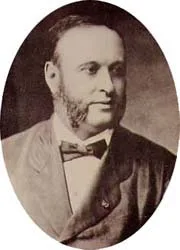
First description of “Raynaud’s disease.” Raynaud was the first to describe this disorder, which causes extreme constriction of the peripheral blood vessels resulting in discoloration of the fingers, toes and sometimes other areas of the body. Chronic cases can result in atrophy of the skin, subcutaneous tissues and muscle; in rare cases it can cause ulceration and gangrene, as illustrated in Raynaud’s plates. Raynaud’s phenomenon is often seen in patients suffering from progressive systemic sclerosis, particularly scleroderma; it is also associated with autoimmune diseases such as systemic lupus erythematosus and injuries such as frostbite.
Raynaud wrote De l’asphyxie locale as his doctoral dissertation for the Faculté de Médecine at the University of Paris. There are two issues of the work: The thesis issue, with imprint reading “Rignoux, Imprimeur de la Faculté de médecine”; and the commercial issue, with imprint reading “L. Leclerc, Libraire-Éditeur” and Rignoux’s imprint on the verso of the title-leaf. The thesis version includes four pages following the title (pp. 3-6), containing a list of the Faculté’s members and Raynaud’s numerous dedications to his family and professors; these were omitted from the commercial version, probably because they would not have been of interest to the book’s buyers.
For a translation by T. Barlow, see Selected Monographs, London, 1888, pp. 1-199, New Sydenham Society, which also contains a translation of Raynaud’s second paper on the subject.
Browse Tags
Thematic Classifications
| Catalog Metadata | Reference Information |
|---|---|
| Entry Number | #2704 |
| Permanent Link | https://staging.historyofmedicine.com/entry/4418 |
| Author Bio Link | Wikipedia ↗ |
| External URL | de-lasphyxie-locale-et-de-la-gangrne-symtrique-des-extrmits |
Geographic Context
Publication place: Paris
Mentioned in annotation: London