
On the removal of diffusible substances from the circulating blood of living animals by dialysis.
Publication Details
J. Pharmacol., 5, 275-316. 1914 CE.
Hemodialysis. See also No. 1976. Preliminary communication in Trans Ass. Amer. Phycns., 1913, 28, 51-4.
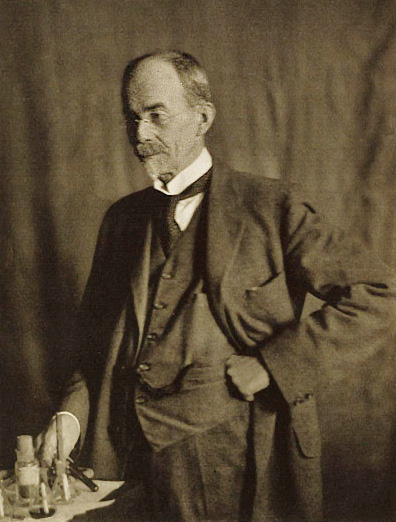
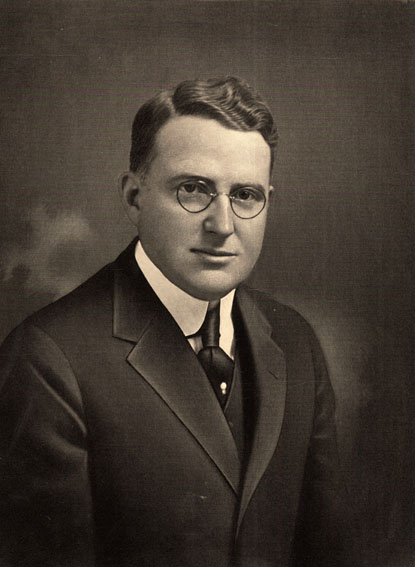
"Together with L.G. Rowntree and B.B. Turner, Abel devised what they called a "vividiffusion" apparatus, consisting of a series of tubes surrounded by fluid. They first demonstrated the apparatus at the Physiological Congress in Groningen in 1914.[9] By allowing arterial blood to enter at one end of the connection, and later return to circulation through the venous connection after dialysis, they were able to demonstrate the existence of free amino acids in blood. By isolating these amino acids from blood circulation, Abel conducted various subsequent researches on the structure of proteins in the blood. Not only did Abel use the apparatus for his research work, he also realized the great clinical potential such dialysis machine would have on managing the damaging effects of renal failure.[10] The vividiffusion apparatus Abel devised is the precursor to the modern day dialysis machine" (Wikipedia article on John Jacob Abel, accessed 08-2017).
Browse Tags
Thematic Classifications
| Catalog Metadata | Reference Information |
|---|---|
| Entry Number | #741.2 |
| Permanent Link | https://staging.historyofmedicine.com/entry/1138 |
| Author Bio Link | Wikipedia ↗ |
| External URL | on-the-removal-of-diffusible-substances-from-the-circulating-blood-of-living-animals-by-dialysis |
Geographic Context
Mentioned in annotation: Groningen