
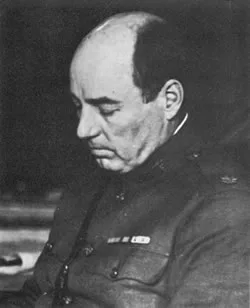
STRONG, Richard Pearson (1872 – 1948)
1872 – 1948
6 entries in the GMN corpus.
Image source Public domain
1906 CE
#5531.1
A study of some tropical ulcerations of skin with particular reference to their etiology.
Strong described organisms consistent with Histoplasma capsulatum before Darling, although his work was overshadowed by the latter.
1912 CE
#12582
Report of the International Plague Conference held at Mukden [Shenyang], April, 1911.
Report on the epidemic of pneumonic plague that raged in Manchuria and north China during the winter months of 1910-11, causing the death of nearly 50,000 people. This was the first outbreak of epidemic pneumonic plag…
1915 CE
#12573
Report of first expedition to South America 1913.
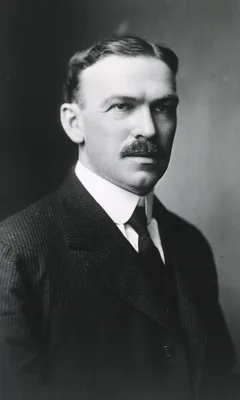
Strong was the first professor of tropical medicine at Harvard. The Harvard School of Tropical Medicine was founded in 1913, the year they undertook this expedition. Digital facsimile from Google Books at this link.
1926 CE
#12574
Medical report of the Hamilton Rice Seventh expedition to the Amazon In conjunction with the Department of Tropical Medicine of Harvard University, 1924-1925
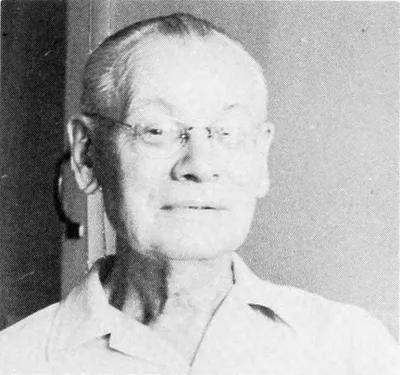
"The Hamilton Rice Seventh Expedition to Amazonia was undertaken [under the leadership of Richard Pearson Strong] partly for general geographical exploration and partly for medical investigation in a section of the Am…
1930 CE
#12459
The African Republic of Liberia and the Belgian Congo based on the observations made and material collected during the Harvard African Expedition, 1926-1927. Edited by Richard P. Strong. 2 vols.
"The Harvard Medical African Expedition of 1926-1927 was an eight-man venture sent by Harvard University for the primary purpose of conducting a medical and biological survey of Liberia; the secondary purpose being to…
1934 CE
#12575
Onchocerciasis: With special reference to the Central American form of the disease. Parts I, II, III, and IV
In depth study of onchcerciasis in Guatemala, where "the disease was of real importance to human beings" at the time. Each of the 4 authors contributed a separate part of the report.